

In the heart of a bustling community theater, where the scent of popcorn mingles with the hum of anticipation, the stage is set for a transformation that transcends the ordinary. Imagine walking into a space where the floor, once a mundane expanse of worn linoleum or faded vinyl, now whispers tales of opulence and grandeur. With a few strokes of creativity and a dash of ingenuity, you can metamorphose your theater’s floor into a marble masterpiece—without draining your coffers. This isn’t just about painting; it’s about conjuring an illusion so convincing that patrons will swear they’ve stepped into a Venetian palace or a Roman villa. Let’s embark on this alchemical journey together, where budget constraints become the canvas for boundless imagination.
Marble, with its swirling veins and luminous depth, has long been the darling of architects and designers, evoking a sense of timeless elegance. But marble’s allure comes with a hefty price tag, one that’s often out of reach for community theaters operating on shoestring budgets. Fear not, for the art of trompe-l’oeil—French for “deceive the eye”—offers a lifeline. By harnessing the power of paint and a sprinkle of technique, you can replicate the mesmerizing allure of marble on your theater’s floor, turning it into a conversation piece that steals the show before the first actor even steps onstage.
The Alchemy of Preparation: Laying the Foundation for Illusion
Before you dive into the world of faux finishes, remember this: marble is not a uniform surface. It’s a symphony of veining, color shifts, and subtle imperfections that give it its character. To mimic this, your floor must be a blank slate, free of debris, grease, and the ghosts of past performances. Begin by sweeping and mopping the floor with a degreaser to remove any lingering residues. If your floor is particularly grimy, consider using a sanding screen to lightly scuff the surface, ensuring the paint adheres like a dream.
Next, apply a high-quality primer designed for floors. This step is non-negotiable. Primer acts as the bedrock of your marble illusion, preventing the paint from peeling or chipping prematurely. Opt for a primer that dries to a smooth, even finish—think of it as the primer coat on a Renaissance fresco, the invisible layer that makes the magic possible. Once the primer is dry, lightly sand it with fine-grit sandpaper to eliminate any rough spots, then wipe away the dust with a tack cloth. Your floor is now primed and ready to become a work of art.
Choosing Your Palette: The Colors of Marble’s Soul
Marble is a chameleon, appearing in hues that range from the icy whites of Carrara to the deep blacks of Nero Marquina, with every shade of gray, beige, and gold in between. For a community theater, where versatility is key, a neutral palette is your best ally. Start with a base coat in a light gray or off-white—think of it as the canvas for your marble masterpiece. This color will serve as the backdrop for the veins and swirls that define your faux marble.
To achieve depth, mix in subtle undertones of soft pink, pale blue, or warm taupe. These hues will peek through the veining, adding a sense of realism that flat paint simply can’t replicate. Don’t be afraid to experiment with color ratios; marble is unpredictable, and your floor should be too. Once you’ve settled on your base color, pour it into a paint tray and roll it onto the floor in long, even strokes. Allow it to dry completely before moving on to the next step—patience is the artist’s greatest virtue.
The Vein of Genius: Crafting Marble’s Signature Swirls
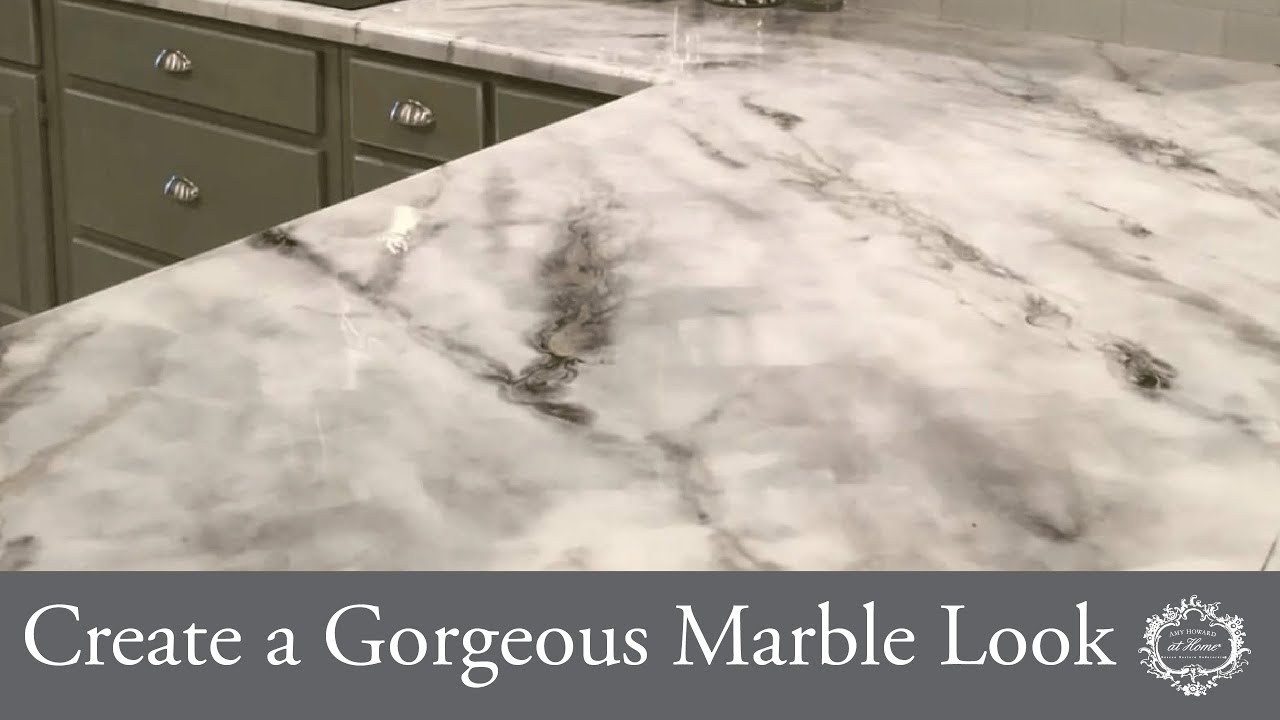
Here’s where the magic happens. Marble’s veins are its soul, the delicate tracery that sets it apart from mere stone. To replicate this, you’ll need a steady hand and a few unconventional tools. A feather duster, a small artist’s brush, or even a crumpled plastic bag can become your instrument of illusion. Dip your tool of choice into a darker shade of paint—think charcoal gray or deep umber—and begin to trace veins across the floor. Start with thin, wispy lines that meander like rivers, then gradually thicken them to mimic the bold strokes of real marble.
For added realism, vary the thickness and direction of the veins. Some should curl gently, while others twist and turn with abandon. Don’t strive for perfection; marble is inherently imperfect, and your floor should reflect that. If you make a mistake, don’t fret—marble isn’t known for its straight lines either. Once the veins are in place, use a dry brush to gently blend the edges, softening the transitions between colors. This technique, known as scumbling, creates a sense of depth and movement, making your floor appear as though it’s been carved by time itself.
The Protective Veil: Sealing Your Marble Illusion
A masterpiece isn’t complete without a protective layer, and your faux marble floor is no exception. A high-quality polyurethane sealer will shield your creation from the scuffs of countless performances, the spills of eager patrons, and the inevitable wear and tear of time. Choose a water-based polyurethane for a clear, non-yellowing finish that won’t alter the colors of your paint. Apply the sealer with a lambswool applicator, working in small sections to ensure even coverage.
Allow the first coat to dry completely—this is where patience pays off—then lightly sand the surface with 220-grit sandpaper to smooth out any imperfections. Wipe away the dust and apply a second coat of sealer. For added durability, consider a third coat, especially in high-traffic areas. Once the final coat is dry, your floor will gleam with the same luminous sheen as genuine marble, a testament to your craftsmanship and creativity.
The Grand Finale: Lighting and Staging Your Marble Masterpiece
No illusion is complete without the right lighting. Marble’s beauty is accentuated by the play of light and shadow, and your faux marble floor is no different. If your theater has overhead lighting, consider installing dimmable LED bulbs to create a warm, inviting glow. For added drama, place uplights along the walls to cast subtle shadows that mimic the depth of real marble. The interplay of light will make your floor appear three-dimensional, transforming it from a painted surface into a living, breathing work of art.
To further enhance the illusion, stage your theater with elements that complement your marble floor. Velvet drapes, gilded mirrors, or even a few strategically placed potted plants can elevate the space from ordinary to extraordinary. Remember, the goal is to create an experience that transports your patrons to another world—one where the floor beneath their feet is as much a part of the story as the actors onstage.
The Standing Ovation: Maintaining Your Marble Illusion
With proper care, your faux marble floor will continue to dazzle for years to come. Sweep and mop the floor regularly with a mild detergent to remove dirt and debris. Avoid using abrasive cleaners or harsh chemicals, as these can damage the sealer and dull the finish. If scratches or scuffs appear, touch them up with a small amount of paint and a fresh coat of sealer. With a little TLC, your floor will remain a showstopper, a testament to the power of creativity and the magic of illusion.
In the end, painting a floor to look like marble is about more than just saving money—it’s about redefining what’s possible. It’s about turning a humble space into a sanctuary of artistry, where every step feels like a journey through time and elegance. So grab your brushes, unleash your imagination, and let the transformation begin. Your community theater’s floor is waiting to become a masterpiece.


Leave a Comment