

In the shimmering kaleidoscope of contemporary art, a provocative movement has emerged, defying traditional aesthetics and stirring both fervor and confusion: Chaoticism and the rise of what many hastily dub “bad” painting—though, paradoxically, these works often embody a profound, unconventional beauty. This seemingly anarchic style challenges our ingrained perceptions of skill, order, and artistic value, inviting us to reconsider chaos not as a destroyer, but as an architect of meaning. Like a tempest roaring across a serene landscape, chaoticism shakes the very core of artistic norms, revealing a vibrant undercurrent where disorder births a breathtaking form of visual poetry.
Decoding Chaoticism: An Artistic Symphony of Disorder
Chaoticism is less a rigid doctrine and more an exhilarating embrace of unpredictability, complexity, and juxtaposition. Imagine a lightning storm frozen on canvas, each jagged streak a deliberate rupture in compositional harmony. This movement invites artists to surrender control, allowing chance and intuition to commandeer the brush. The result is a tapestry woven from fractured shapes, erratic lines, and a sonic explosion of color that defies conventional rules yet captivates the senses.
Far from mere randomness, chaoticism thrives on a delicate equilibrium—balancing tension and release, the visceral and the cerebral. It embodies the paradox where what initially appears fragmented or “bad” is actually a carefully orchestrated dance of chaos and order, like a jazz musician riffing wildly yet within an invisible structure. It’s an alluring metaphor for life’s own unpredictability, striking a chord with audiences who crave authenticity in an overly sanitized world.
The Unique Appeal of “Bad” Painting: Beauty in the Unpolished
“Bad” painting has become a term of art, a badge of honor for works that deviate from polished precision to explore raw emotion and spontaneous creation. The allure lies in the intentionality behind what appears unrefined, much like finding poetry in scribbles or soul in a weathered tone. These paintings revel in imperfection, embracing jagged edges and lopsided figures that communicate vulnerability—a candid window into the artist’s psyche.
Unlike traditional realism that strives for mimicry and flawless technique, these canvases provoke thought through their audacious visual dissonance. They refuse to adhere to aesthetic orthodoxies, instead turning the spotlight on process rather than outcome. It’s an aesthetic rebellion where clumsy brushwork becomes a form of eloquence, and color chaos speaks louder than balanced compositions ever could. The “badness” becomes a signature, an identity etched not in smoothness but in rawness.

The charm of these works lies in their provocativeness—viewers are invited to decipher what conventional eyes might dismiss. It is a call to imbibe rather than judge, to let go of rigid criteria and embrace the strange allure of unpredictability. Such paintings often evoke strong reactions, oscillating between discomfort and fascination, much like a surreal dream that puzzles yet enchants.
Chaos and Order: The Secret Architecture Behind Apparent Anarchy
One might wonder how chaos can coexist with order without descending into meaningless confusion. This tension is a keystone of chaoticism. Beneath the swirling tempest of abstract forms lies an unseen scaffold that holds the composition together—a nuanced play between control and abandonment.
Think of a grand symphony where each discordant note is purposeful, contributing to the overarching melody. Similarly, in chaotic painting, disorder is tempered by rhythm, color theory, and spatial dynamics that guide the eye and foster emotional resonance. This duality mirrors natural phenomena—like the fractal patterns of a storm or the tessellated randomness of a forest floor—where disorder is embedded in a larger scheme of balance.

Recognizing this structural tension enriches the viewing experience, transforming chaotic works from mere visual noise into compelling narratives. They challenge us to redefine “skill” not as flawless execution but as the ability to harness chaos thoughtfully, crafting a deep dialogue between impulse and intention.
The Cultural Resonance: Why Chaoticism Speaks to Our Age
In a world increasingly fragmented by rapid technological advances, socio-political upheaval, and environmental uncertainty, chaoticism resonates as a mirror to contemporary existence. It captures the fragmentation of collective experience and the complexity of identity in a fast-paced, interconnected era. These paintings become visual sonnets of disarray that nevertheless offer coherence through their emotional honesty.
The movement also democratizes artistic value, rejecting elitist gatekeeping often associated with fine art. By championing spontaneity and expression over classical technique, it invites a broader spectrum of voices and narratives to emerge, making art more accessible, inclusive, and reflective of diverse human realities.
“Bad” Painting as a Catalyst for New Aesthetic Paradigms
Far from being a fleeting fad, the rise of “bad” painting heralds a paradigmatic shift in how we define creativity itself. It challenges binary classifications of “good” versus “bad,” pushing the boundaries of aesthetic judgment. In this evolving lexicon, worth is no longer measured solely by technical prowess but by emotional impact and conceptual innovation.
Artists embracing chaoticism often become pioneers of hybrid forms—melding abstract expressionism, street art, and performance into dynamic, evolving genres. This fluidity breeds innovation, encouraging experimentation and the rebirth of fresh artistic languages that refuse to be constrained by historical dogma.
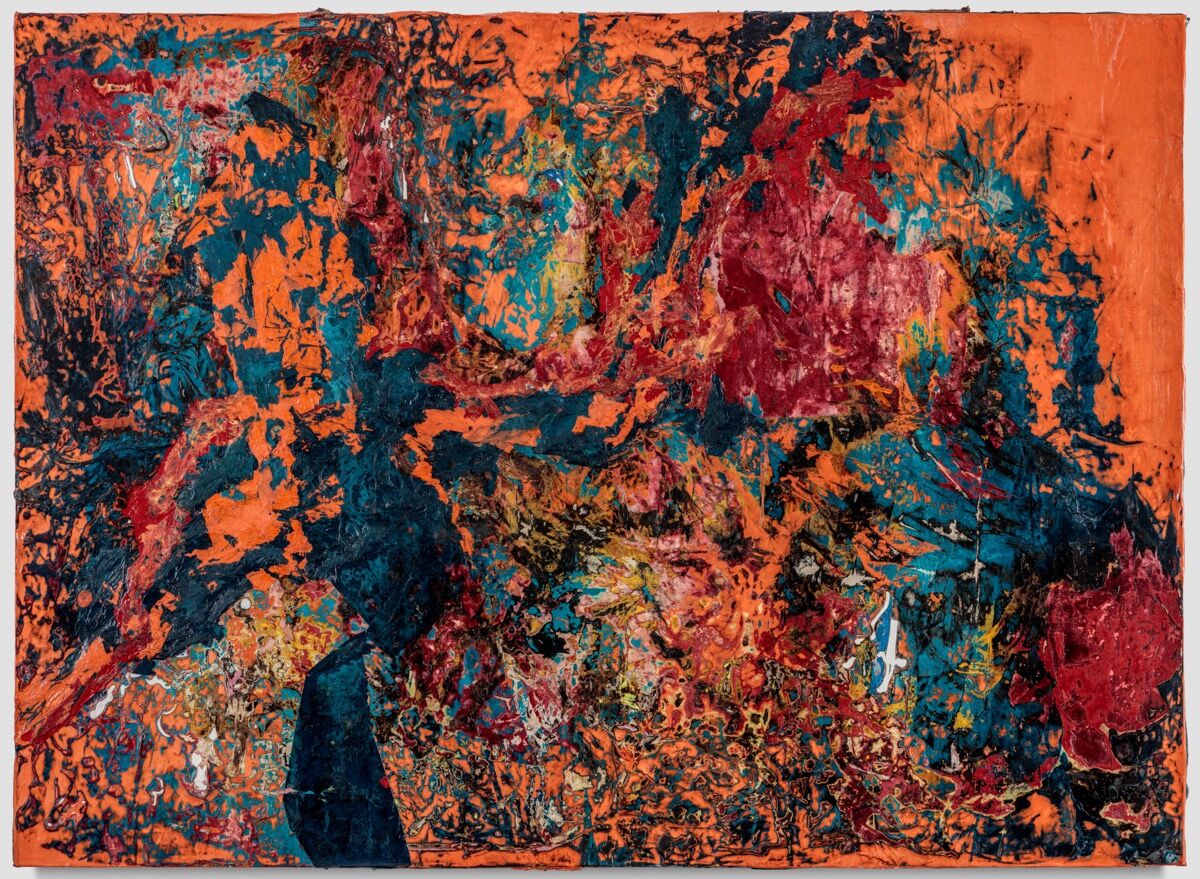
The “bad” painting revolution reminds us that art is a living, breathing entity—a wild garden rather than a manicured estate. It sparks dialogue, provokes reinterpretation, and ignites imagination, redefining what it means to create and perceive art in the 21st century.
Embracing the Chaos: An Invitation to See Differently
Ultimately, chaoticism and the ascendance of “bad” painting invite us to loosen the reins of expectation and revel in unpredictability. They challenge the viewer to find beauty in the unruly, value in the unrefined, and meaning in the enigmatic.
This movement is not a mere stylistic gimmick but a profound aesthetic philosophy—a celebration of life’s disorder, a call to courageously embrace imperfection, and a reminder that sometimes, what seems “bad” at first glance may indeed be art’s most honest and exhilarating expression.


Leave a Comment