

In a world dominated by sprawling skyscrapers, ceaseless consumerism, and relentless market forces, it is both peculiar and profoundly compelling how artists have increasingly turned to the miniature—a realm of tiny, deliberate constructs—to dissect and critique the sprawling, often overwhelming entity known as capitalism. This fascination with miniatures is not merely an aesthetic choice; it serves as a poignant lens through which to observe, distort, and question the gargantuan systems that underpin our socio-economic realities. The compactness of miniatures paradoxically magnifies the colossal issues embedded within capitalism, inviting viewers to pause, examine, and reflect on the intricate mechanics and human costs that loom large beneath the surface.
The Allure of Miniatures: A Common Observation with Deeper Undertones
There is an innate, almost universal, fascination with miniatures. From childhood dollhouses to meticulously crafted model trains, these scaled-down worlds captivate by their precision and detail. But beyond nostalgic appeal, miniatures compel a closer, more intimate engagement with subject matter. In the context of capitalism, this fascination becomes a powerful fulcrum. The miniature format encapsulates complex systems, condenses overwhelming realities, and imbues them with a sense of tangible proximity. This compression offers a multi-layered experience: a surface-level charm that quickly gives way to a profound critique.
Why does downsizing such a massive, abstract concept as capitalism continue to fascinate? The answer lies in human cognition and narrative. Miniatures act as cognitive catalysts, allowing observers to grasp systemic phenomena in a comprehensible, almost tangible manner. This intimacy disrupts the impersonal, often alienating nature of economic discussions, transforming capitalism from an invisible force into a series of miniature vignettes laden with meaning, consequence, and critique.
Miniatures as Metaphors: Symbolism in Scale and Detail
When artists construct miniatures to represent capitalist dynamics, every element—each tiny figure, building, or product—becomes a symbol. The deliberate scale reduction does more than shrink physical dimensions; it collapses time and space, exposing societal structures with stark clarity. A miniature factory, for instance, may reveal the repetitive monotony of labor or the mechanization of human effort. Tiny shoppers clogging an oversize “mall” can symbolize consumer excess and the homogenization of desire.
These small-scale allegories are riddled with ironies. The meticulous craftsmanship involved in creating such miniatures paradoxically juxtaposes the often dehumanizing, mass-production processes capitalist systems impose on labor and goods. The intimate labor of artists counters the cold impersonality of capitalist mechanization, inviting viewers into a space where the human element reclaims agency through detail and narrative richness.

Critiquing Consumerism and Capitalist Excess Through Miniature Narratives
Artists employ miniatures as visual essays that criticize the relentless consumption that capitalism encourages. Tiny representations of overflowing shopping carts, congested urban centers, and mechanized production lines underscore the physical and environmental toll of our insatiable appetite for goods. By shrinking these colossal phenomena, artists reveal how capitalist excess distills into everyday human actions and spaces.
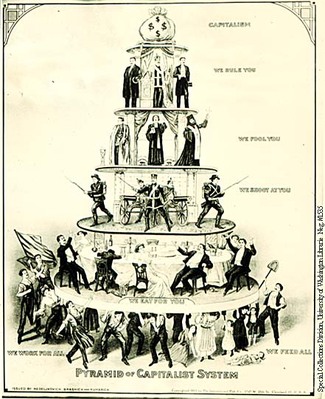
Moreover, miniatures highlight disparities that capitalism often masks: cramped living quarters beside giant billboards, laborers dwarfed in the shadow of corporate power. This juxtaposition is not only a critique but also an invitation to reconsider scale as a socio-political parameter. As capitalism amplifies wealth concentration, these miniature setups emphasize the disproportionate relationship between capital holders and the laboring class, inviting a reevaluation of power dynamics in both macro and micro contexts.
The Power of Miniatures to Evoke Empathy and Reflection
One of the most remarkable aspects of using miniatures is their ability to evoke empathy. The tactile, human-scaled worlds foster emotional connections that grand narratives often fail to elicit. Viewers are invited to engage not just visually, but spatially and emotionally, as they navigate these compact universes of capitalist critique.
By focusing attention on individual figures and their minute struggles, miniatures disrupt mass media’s often depersonalized narratives. This microcosmic approach humanizes abstract economic systems, making the consequences of capitalist operations palpable on a deeply personal level. Such empathy can catalyze a broader societal questioning of accepted norms—can capitalism’s relentless drive be reconciled with human wellbeing and dignity?
Artistic Innovation and the Miniature Medium
The resurgence of miniature works in contemporary critique also speaks to innovation within artistic practices. Artists weave traditional craft techniques with modern conceptual frameworks, often incorporating mixed media, digital augmentation, and interactive elements to deepen the immersive experience. This fusion of old and new underscores capitalism’s hybrid nature: simultaneously rooted in historical materialism and propelled forward by technological acceleration.
The meticulous, often labor-intensive creation of miniatures can itself be seen as a subtle defiance against the capitalist imperative of speed and mass production. Artistic labor invested in tiny details counters the disposability embedded within consumer culture. In this way, miniatures act as temporal bends—slow pauses amid furious capitalist rhythms.

Conclusion: Miniatures as Windows into Vast Economic Realities
The growing trend of using miniatures to dissect capitalism uncovers a paradox at the heart of our understanding of economic systems: compressing gargantuan societal phenomena into manageable, human-scaled worlds fosters not only critique but also comprehension. These diminutive artworks serve to crystallize the complexities of capitalist dynamics in ways that are accessible, emotionally compelling, and cognitively profound.
Ultimately, miniatures offer more than social commentary—they provide a space for imaginative reflection and potential transformation. By shrinking capitalism to its tiniest components, artists reveal the immense power of scale, perspective, and narrative to challenge and reframe the systems that shape our modern world. Through this lens, the miniature ceases to be simply small; it becomes a monumental act of resistance and revelation.


Leave a Comment