

Every living space tells a story, an ever-evolving narrative shaped by the interplay of light, texture, and form. Among these narratives, the notion of “In Minor Keys” as a conceptual approach to living sculpture offers a transformative way to engage with art and environment. It breathes life into the quiet corners, invites contemplation, and redefines how art inhabits the home. This exploration dives deep into the symphony of muted tones, sculptural living, and the ambient poetry that emerges when space and form harmonize.
The Essence of “In Minor Keys” in Spatial Design
Often, design discussions revolve around bold statements, vibrant colors, and maximalist tendencies. Yet, “In Minor Keys” serves as a counterpoint—a deliberate embrace of subtlety and understatement. Rooted in the metaphor of musical minor scales, this approach translates into muted palettes, gentle contrasts, and an emotional depth that resonates quietly but profoundly within a room. It crafts an atmosphere where softness and restraint become the conduits for resonance and harmony.
Here, living sculpture isn’t merely decoration; it is an embodiment of balance and serenity. The spaces curated through this lens exude an almost meditative quality, offering refuge from sensory overload while still stimulating the imagination. In this realm, art is not confined to pedestals or frames. Instead, it spills across surfaces, grows with natural elements, and engages dynamically with human presence.
Sculptural Forms as Living Entities
Imagine a room punctuated by forms that seem to breathe and evolve as you move through the space. Living sculpture, in this context, is a living organism—interactive, kinetic, and imbued with life beyond mere static presence. It incorporates botanical elements, tactile materials, and organic shapes that mimic the undulations found in nature.
These sculptures challenge traditional notions of art by existing in a mutable state, often responsive to environmental changes such as light or sound. The interplay between shadow and illumination across curved surfaces adds an ephemeral layer of complexity, transforming the sculpture throughout the day. In rooms designed “In Minor Keys,” such living forms weave seamlessly into the fabric of daily life rather than standing apart as isolated art objects.

By integrating sculpture with plants, textiles, and natural materials, each piece invites tactile interaction and silent dialogue. The resulting spatial conversations evoke a calm yet curious ambiance, inviting visitors to pause, reflect, and rediscover familiar elements through a new lens.
Chromatic Subtlety: The Role of Muted Palettes
In “In Minor Keys,” color becomes a quiet collaborator rather than a loud protagonist. Designers curate palettes that lean on ash grays, deep charcoals, soft taupes, and dusky blues. These hues whisper rather than shout, establishing a backdrop where sculptural forms can command attention without clashing.
This chromatic restraint enables the sculptural elements to emerge as nuanced focal points, enriched by the emotional gravitas that muted tones naturally confer. The nuanced shading and tonal layering also craft a visual depth that invites prolonged observation, fostering an intimate relationship between occupant and environment.
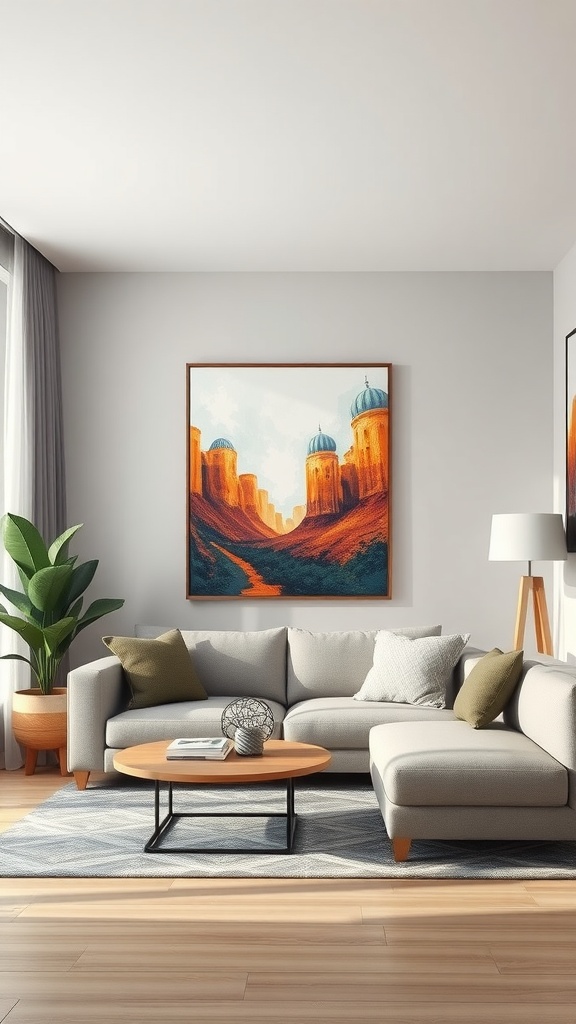
Subtle variations within minor key palettes also mirror the complexities found in musical compositions, where slight shifts evoke different intensities and moods. This parallel elevates interior design from mere arrangement to a carefully orchestrated emotive performance.
A Dialogue Between Nature and Form
Living sculpture, within “In Minor Keys,” thrives on its symbiosis with natural elements. The incorporation of plants, stones, and other organic components fosters a tactile, sensory grounding. These elements introduce texture, fragrance, and gentle movement, enriching the living experience.
For instance, a sculptural installation might entwine smooth stones with trailing greenery, resembling a natural cave or mossy alcove within the home. Such juxtapositions elicit a primal connection to earth and life cycles, conjugating the art with the rhythms of nature.
Moreover, the natural light filtering softly through sheer curtains or overhead canopies animates these living sculptures, casting transient shadows and highlights that change over time. This interplay between the temporal and the permanent deepens the immersive quality of the space.
Creating Focal Points That Encourage Contemplation
One hallmark of the “In Minor Keys” philosophy is the creation of focal points that serve as invitations rather than demands. These focal points may be a curvaceous sculpture nestled within a corner, a subtly textured wall treatment, or a sculptural pendant light that seems to float gently in the air.
Such design choices prioritize experiential discovery, rewarding viewers who slow their pace and attune their senses. The quiet allure of living sculpture in minor palettes encourages longer looks and fosters a sustained emotional connection with the space.
These focal points function almost like musical motifs—introduced sparingly but with lasting effect. They punctuate the room with meaning and create opportunities for introspection and aesthetic enjoyment, elevating everyday environments into sanctuaries of calm creativity.

Integrating Functionality with Artistic Expression
Living sculpture in minor keys doesn’t forsake practicality. Rather, it fuses artistic expression with purposeful function. Sculptural forms double as seating, ambient lighting, or room dividers, dissolving boundaries between utility and beauty.
This synthesis ensures that spaces remain livable and welcoming, not mere showrooms. The sculptural aesthetic enriches daily routines, adding moments of inspiration to common activities—whether it’s resting on a smooth, organically shaped bench or passing beneath an artfully suspended installation toward a softly lit reading nook.
Through this integration, art returns to its roots as an essential part of human experience, responding to needs both physical and emotional. The approach nurtures a mindful presence, inviting inhabitants to live amidst creativity rather than outside it.
Conclusion: The Quiet Revolution of “In Minor Keys” Living Sculpture
The synthesis of muted tonalities, living forms, and delicate spatial choreography gives rise to a new paradigm in interior art and design. “In Minor Keys” nurtures environments that resonate emotionally and spatially, fostering tranquility and a heightened perception of everyday beauty.
Living sculpture, reimagined through this lens, becomes a vessel for storytelling, a tactile expression of life’s subtle rhythms. It invites us to dwell not only in space but within the emotive nuances that define human experience. By crafting spaces that balance restraint with vitality, this philosophy breathes life into stone, plants, and shadows alike, transforming them into a symphony of silent, enduring presence.


Leave a Comment