

The tiniest canvas often holds the most profound stories. Consider the humble earbud—an unassuming device that nestles in the ear, yet carries the weight of modern connectivity. Its diminutive form belies a critical design challenge: how to craft a logo that not only fits within a 1cm x 1cm square but also resonates with users at a glance. This isn’t merely about shrinking a brand’s identity; it’s about distilling essence into a pixel-perfect emblem that whispers (or shouts) its purpose without uttering a word. The fascination with such micro-design isn’t just about aesthetics—it’s a testament to our relentless pursuit of efficiency in a world overflowing with visual noise.
The Tyranny of Tiny Spaces: Why 1cm x 1cm Isn’t Just Small—It’s Brutal
At first glance, a 1cm x 1cm canvas seems almost whimsical, a playful challenge for designers. But scale it to the real world, and the stakes become clear. This space is smaller than a standard postage stamp, yet it must compete with the cacophony of icons vying for attention on a smartphone screen. The human eye, in its infinite adaptability, can discern details down to 0.1mm at close range—but only if those details are purposeful. A logo here isn’t just a mark; it’s a survival tactic. Every curve, every line, every negative space must serve a dual purpose: immediate recognition and emotional connection. The brutal truth? Most logos fail here not because they’re poorly designed, but because they’re over-designed. Complexity becomes illegibility when pixels are the only medium.
Consider the psychology at play. When confronted with a tiny logo, the brain doesn’t just see shapes—it decodes intent. A well-crafted earbud logo doesn’t just identify a brand; it signals reliability, modernity, and perhaps even a hint of sophistication. Conversely, a cluttered or ambiguous mark can evoke frustration, signaling poor quality or an outdated product. The deeper fascination lies in how these micro-designs tap into our primal need for clarity in a world drowning in choices. In a single glance, a logo on an earbud can convey trust—or the lack thereof.
The Alchemy of Simplicity: Turning Complexity into Clarity
Designing for a 1cm x 1cm canvas is less about addition and more about subtraction. The magic happens in the removal of the extraneous. Start with the brand’s core values. Is it sleek? Bold? Minimalist? These adjectives aren’t just descriptors—they’re the foundation of your design. For earbuds, the logo often leans toward modernity, often incorporating elements like sound waves, abstract ear shapes, or futuristic typography. But here’s the catch: these elements must be distilled into their most elemental forms. A sound wave, for instance, might reduce to a single, elegant arc. An ear shape could become a minimalist silhouette. The goal isn’t to represent the object literally but to evoke its essence through abstraction.
Typography presents another hurdle. A wordmark in such a tiny space demands extreme simplification. Serif fonts, with their delicate flourishes, are out of the question. Instead, consider bold, geometric sans-serifs with high contrast between strokes. Even then, the font must be legible at microscopic scales. Some designers opt for custom lettering, where each character is meticulously crafted to retain its identity when shrunk. The key is to prioritize readability over ornamentation. Every pixel must earn its place.
Color plays a pivotal role in this alchemy. Vibrant hues can make a logo pop, but they risk muddiness when reduced to a 1cm square. High-contrast palettes—black and white, or a single bold color against a neutral background—often yield the best results. The contrast ensures the logo remains visible against various backgrounds, from the stark white of a phone screen to the dark fabric of a user’s pocket. But color isn’t just about visibility; it’s about emotion. A bright, energetic hue might suggest youthfulness and innovation, while a muted, sophisticated palette could imply premium quality. The choice here isn’t arbitrary—it’s a deliberate whisper to the subconscious.
Negative Space: The Unsung Hero of Micro-Design
In the realm of 1cm x 1cm logos, negative space isn’t just empty space—it’s a strategic tool. The most memorable earbud logos leverage this void to create dual imagery or hidden meanings. A negative space can transform a simple dot into an earbud, or a line into a sound wave. This technique isn’t just clever; it’s efficient. By using the absence of color or shape to imply form, designers can pack more meaning into fewer pixels. The brain, wired to seek patterns, fills in the gaps, creating a richer experience than the physical space would suggest.
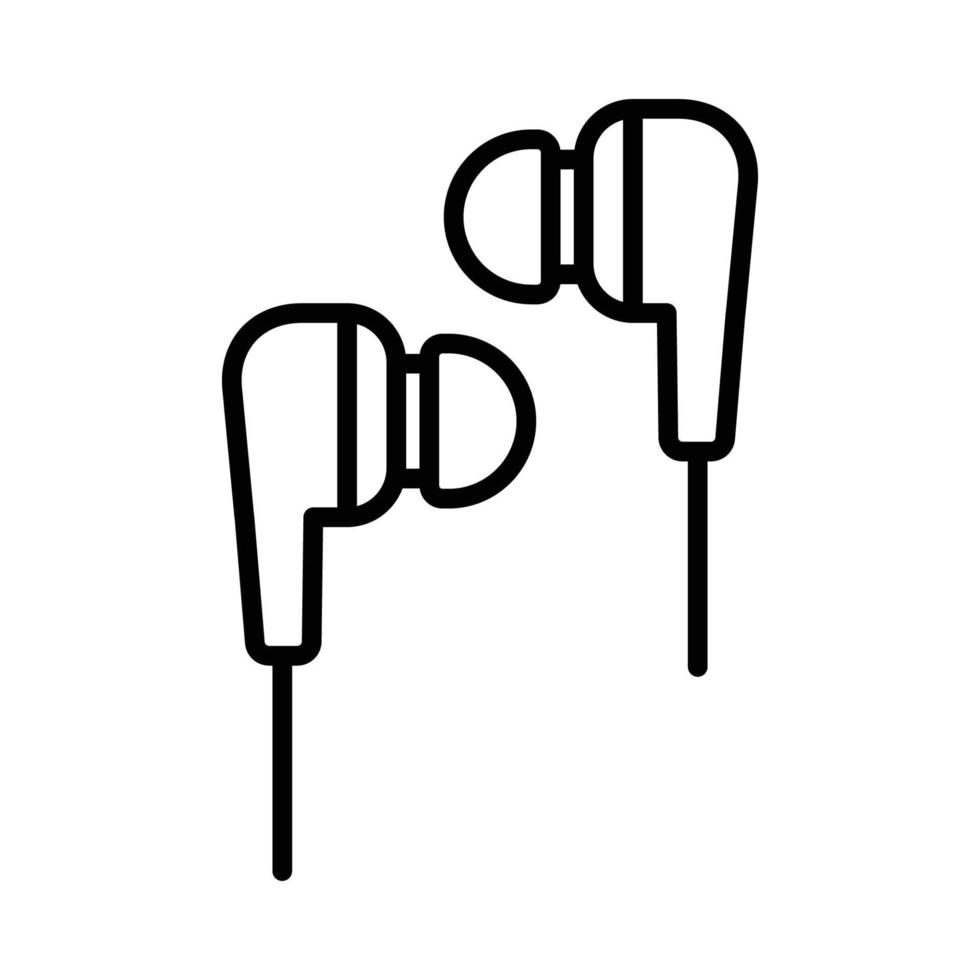
Consider the logo for a brand that uses a single, continuous line to form both the earbud and a sound wave. The negative space between the lines isn’t just a void—it’s the very essence of the product. This interplay between form and void isn’t just visually striking; it’s a metaphor for the earbud itself, a device that bridges silence and sound. The deeper fascination here lies in how negative space can evoke a sense of harmony, as if the logo is whispering a secret that only the most observant users will uncover.
The Test of Scalability: From Screen to Pocket
A logo’s true test isn’t how it looks on a high-resolution screen—it’s how it survives the chaos of the real world. An earbud logo must be legible when viewed through a microscope, yet still recognizable when the earbud is tucked away in a bag or clipped to a shirt collar. This demands rigorous testing. Designers often create mockups and print the logo on various materials—matte, glossy, textured—to see how it behaves under different lighting conditions and angles. The logo must also adapt to different contexts: on a product box, on a website favicon, or even etched onto the earbud itself. Each medium presents its own challenges, from the precision of laser engraving to the unpredictability of screen glare.
Another critical consideration is the logo’s adaptability across cultures and languages. An earbud logo that relies on a specific cultural symbol or gesture might resonate deeply in one market but fall flat in another. The most successful micro-logos are universal in their appeal, transcending language barriers through pure visual communication. This universality isn’t just about avoiding offense—it’s about creating a brand identity that feels familiar, no matter where it’s seen.
The Future of Micro-Design: Where Tiny Logos Meet Big Data
As technology evolves, so too does the role of the earbud logo. With the rise of augmented reality (AR) and wearable tech, these tiny emblems are no longer static—they’re dynamic. Imagine a logo that subtly changes color based on the user’s activity, or one that animates when tapped. The 1cm x 1cm canvas is no longer a limitation but a playground for innovation. Designers are now experimenting with micro-animations, where a static logo comes to life with a single, fluid motion. This isn’t just about aesthetics; it’s about creating a deeper connection between the user and the device.
The future also holds promise for interactive logos. With advancements in haptic feedback and touch-sensitive surfaces, earbuds could one day respond to touch with a subtle vibration or a change in the logo’s appearance. This level of interactivity turns the logo from a passive identifier into an active participant in the user experience. The fascination here lies in how these tiny designs can bridge the gap between the physical and digital worlds, creating a seamless, intuitive interface that feels almost magical.
But perhaps the most intriguing evolution is the rise of generative design. Using algorithms, designers can create logos that adapt in real-time to user preferences, environmental conditions, or even the user’s biometric data. An earbud logo might shift in shape or color based on the user’s mood, detected through heart rate or movement patterns. This isn’t just design—it’s a conversation between the user and the device, mediated by a logo that’s as dynamic as the technology it represents.
The tiniest canvas often holds the most profound stories. In the world of earbud logos, every pixel is a word, every curve a sentence, and every negative space a paragraph of meaning. The challenge isn’t just to fit a logo into 1cm x 1cm—it’s to make it unforgettable. In a world where attention spans are shrinking and visual noise is growing, these micro-designs are a reminder that less isn’t just more—it’s everything.


Leave a Comment