

In the grand atelier of human creativity, where brushstrokes and keystrokes dance in an eternal waltz, a trial is unfolding that could redefine the very essence of artistry. The courtroom, with its solemn wood-paneled walls and flickering fluorescent lights, has become an unlikely stage for a battle that transcends pixels and pigments. At its heart lies a question that has haunted artists and technologists alike: when an artificial intelligence generates a painting that mimics the style of a living artist, who owns the soul of that creation? The answer could reshape copyright law, redefine artistic labor, and perhaps even challenge our understanding of what it means to be human in an age of algorithms.
The trial isn’t just about stolen styles or pilfered techniques—it’s about the erosion of the sacred bond between artist and artwork. For centuries, art has been a testament to human experience, a fingerprint of emotion pressed onto canvas or chiseled from stone. But now, AI generators, fed on vast troves of digitized masterpieces, can produce images that are indistinguishable from those of their human counterparts. The artists suing argue that this isn’t mere mimicry; it’s a form of digital cannibalism, where their unique creative DNA is extracted without consent, distilled into code, and regurgitated as something entirely new—or so it seems. The deeper question lingers like a half-finished sketch: if an AI can conjure beauty from the ether, does the artist’s hand still matter?
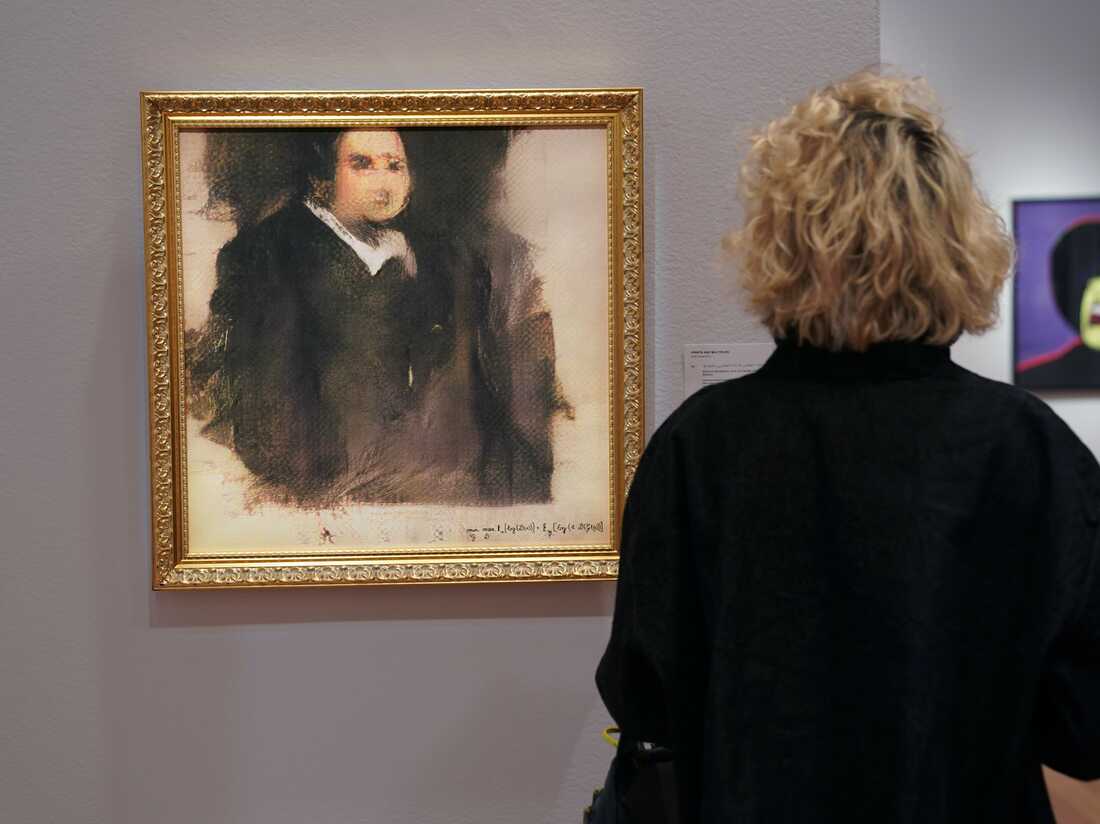
The Art of the Algorithm: How AI Generators Learn to Steal (Without a Conscience)
To understand the trial’s gravity, we must first peer beneath the hood of these AI generators. They are not, as some might believe, magical black boxes that summon images from thin air. Instead, they are voracious learners, trained on datasets comprising millions of images scraped from the internet—often without the original artists’ knowledge or permission. These datasets include not just public domain works but also contemporary pieces, their styles, compositions, and even signatures absorbed into the AI’s neural architecture. The result? A digital Frankenstein’s monster, stitched together from the fragmented genius of countless creators.
But here’s where the ethical quagmire deepens. The AI doesn’t just replicate; it interpolates. It doesn’t copy a Van Gogh sunflower verbatim but generates a new sunflower that *feels* like a Van Gogh. The style is preserved, the technique mimicked, yet the hand of the original artist is absent. This is the crux of the artists’ argument: their unique creative fingerprint—the je ne sais quoi that makes their work theirs—has been commodified without compensation. The AI, in its cold, binary way, has learned to *feel* like them, and that, they contend, is theft.
Critics counter that art has always borrowed, that every painter stands on the shoulders of those who came before. Yet there’s a chasm between homage and exploitation. When an artist studies the works of Monet to refine their own technique, they do so with reverence, adding their own voice to the chorus. An AI, however, ingests and regurgitates without context, without intention, without the lived experience that infuses human art with meaning. It’s as if a thief not only stole your recipe but also the memories of your grandmother’s kitchen, the scent of cinnamon in the air, the laughter of family gathered around the table.
The Copyright Conundrum: Can a Machine Hold a Brush—or a Copyright?
The legal battle hinges on a deceptively simple question: who, or what, can claim ownership of an AI-generated work? Current copyright law, a relic of the 19th century, was never designed to grapple with the nuances of artificial creativity. Traditionally, copyright protects works created by human authors, but what happens when the author is a machine? The U.S. Copyright Office has taken a firm stance: AI-generated works cannot be copyrighted unless a human has made a meaningful contribution to the final output. This ruling, while pragmatic, sidesteps the more thorny issue at hand: the human labor that went into training the AI in the first place.
Imagine a world where an AI, trained on the works of a living artist, generates a painting that sells for millions. The artist receives no royalties, no credit, no recognition—only the hollow echo of their stolen style. The AI’s creators, meanwhile, profit handsomely, their algorithms lauded as revolutionary while the original artists are reduced to footnotes in a legal footnote. This isn’t just a matter of compensation; it’s about the very soul of artistic labor. If an artist’s style can be weaponized against them, reduced to a mere input in a machine’s training data, what does that say about the value of human creativity?
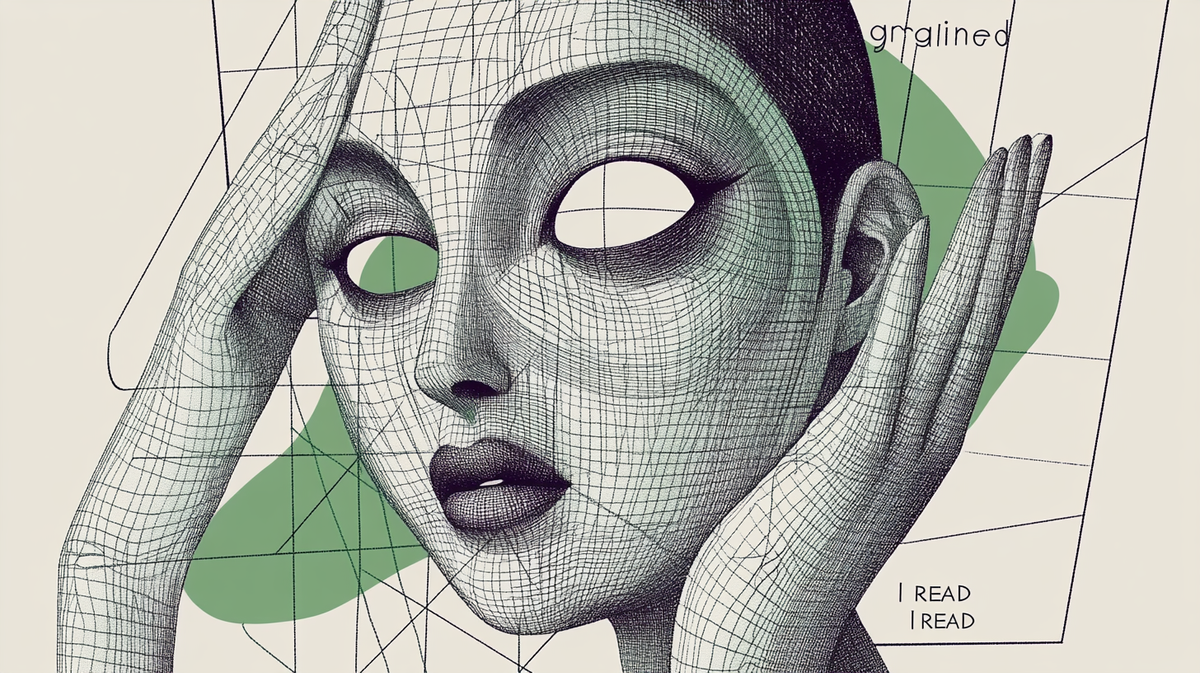
Some argue that the solution lies in licensing—artists should be compensated for the use of their work in training datasets. Others propose a new legal framework, one that recognizes the collaborative nature of AI-human creativity. But these solutions raise their own dilemmas. If an AI generates a work that blends the styles of dozens of artists, who gets paid? How do we quantify the value of a brushstroke in a sea of code? And perhaps most importantly, how do we ensure that the next generation of artists isn’t discouraged from sharing their work online, lest it be devoured by an insatiable digital maw?
The Human Element: Why We Still Crave the Artist’s Hand
Beyond the legal wrangling, there’s a deeper, almost spiritual question at play: why do we still care about the artist’s hand? In an age where AI can generate photorealistic portraits or surreal landscapes in seconds, why does the provenance of a work matter? The answer lies in the intangible—the *something* that separates a masterpiece from a masterful forgery. It’s the difference between a song written by a human heart and a song composed by an algorithm trained on every pop hit of the last century. One resonates; the other feels hollow, no matter how technically proficient.
Human art is a dialogue, a conversation between the artist and the viewer, mediated by centuries of cultural context. When we look at a Rembrandt self-portrait, we don’t just see a face; we see the weight of a life lived, the brushstrokes echoing the artist’s struggles and triumphs. An AI-generated portrait, no matter how lifelike, lacks this depth. It’s a simulacrum, a ghost of artistry without the ghost’s story. This is why, despite the hype surrounding AI-generated art, the market for human-made works remains robust. Collectors and critics alike still seek out the ineffable—the spark of humanity that no algorithm can replicate.
Yet the fascination with AI art persists, and it’s not merely because of its novelty. There’s a primal curiosity in watching a machine mimic the trappings of creativity, a thrill in the uncanny valley where art and automation blur. It forces us to confront uncomfortable truths: if an AI can produce beauty, does that diminish the value of human creativity? Or does it, instead, elevate the act of creation, reminding us that art is not just about the final product but the journey—the struggle, the doubt, the triumph of making something from nothing?
The Ripple Effect: How This Trial Could Reshape the Art World
The outcome of this trial will reverberate far beyond the courtroom. If the artists prevail, it could set a precedent that forces AI developers to compensate creators for the use of their work in training datasets. It could lead to a new era of licensing agreements, where artists retain control over how their styles are used—or even profit from the AI-generated works that draw inspiration from them. Conversely, a ruling in favor of the AI companies could embolden a free-for-all where any artist’s style is fair game, their livelihoods sacrificed on the altar of technological progress.
But the implications go even further. This case could redefine the role of the artist in society. If AI can generate art indistinguishable from human-made pieces, does that mean artists must pivot to more conceptual or interactive forms of expression? Will galleries begin to label works as “AI-assisted” or “human-only,” creating a new hierarchy of artistic value? And what of the artists themselves? Will the next generation of creators shy away from sharing their work online, fearing it will be devoured by the very systems designed to mimic them?
There’s also the question of cultural erasure. Many of the datasets used to train AI models are dominated by Western artists, raising concerns that non-Western styles and traditions could be sidelined or appropriated without credit. If AI art becomes the dominant form of visual culture, whose voices will be amplified—and whose will be silenced?

The Unwritten Future: What Lies Beyond the Verdict
No matter the outcome, one thing is clear: the trial is a watershed moment, a reckoning for an industry that has long operated in a legal gray area. It’s a reminder that technology, no matter how advanced, cannot exist in a vacuum. It must grapple with the ethical and emotional dimensions of human creativity—the messy, beautiful, and often painful process of making art.
Perhaps the solution lies not in litigation but in collaboration. Imagine a world where artists and AI developers work side by side, where algorithms are trained with explicit consent and artists are compensated for their contributions. Where AI becomes a tool for augmentation rather than replacement, freeing humans to explore new frontiers of expression. In this world, the trial wouldn’t be a battle but a bridge, connecting two eras of creativity in a way that honors the past while embracing the future.
The courtroom may soon fall silent, but the debate will rage on. In the end, the trial isn’t just about who owns a painting—it’s about what it means to be an artist in an age of machines. And that’s a question no algorithm can answer.


Leave a Comment