

In an era where the ceaseless hum of technology dictates our every move and the symphony of notifications never ceases, the notion of pausing has evolved into a rare and precious art form. Society hurtles forward with punctuated moments of frenzy, leaving little room for reflection, contemplation, and truly savoring the simplicity of existence. This paradoxical dance gives rise to a captivating phenomenon: the art of the pause, manifested through small-scale art that beckons us to decelerate, to appreciate, and to find solace amid rapidity. Small art, often diminutive in size but monumental in emotional resonance, offers a refuge for the modern soul craving stillness in a fast-paced world.
The Power of the Pause in Visual Art
Visual art has long served as a mirror to human experience, capturing and conveying nuanced emotions in brushstrokes and sculptural contours. When it comes to the art of the pause, small artworks — miniatures, intricate crafts, or subtle symbols — hold particular potency. Their compactness invites viewers into intimate encounters: a quiet moment to really see, delve in, and connect. Unlike grandiose installations that command crowds, these smaller works whisper, coaxing audiences to lean in closer, to linger longer.
This deliberate deceleration is not accidental. Artisans often employ symbolism evocative of stillness, using motifs such as nesting dolls, serene landscapes compressed into palm-sized canvases, or minimalist geometric shapes. Such pieces serve as tactile meditations, calling attention to the quiet, oft-overlooked beauty in object and moment alike.
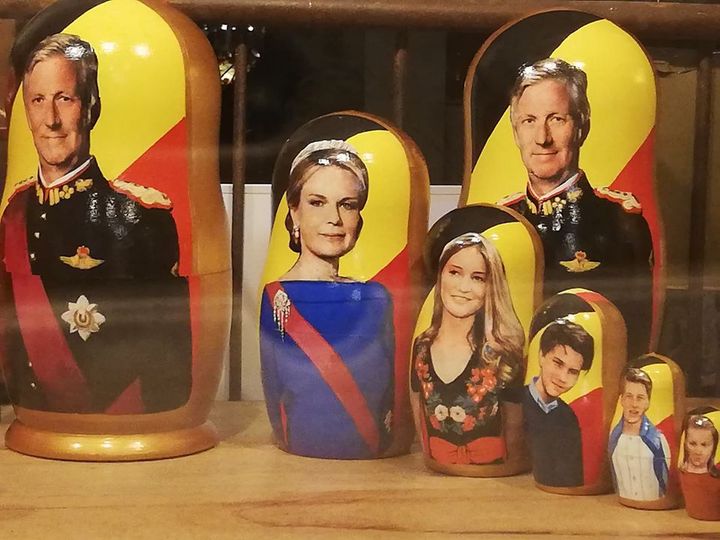
Consider the intricate design of nesting dolls, for instance. Each layer encapsulates another universe, a metaphor for hidden depths within moments we usually rush through. Their orderly repose reflects a cultural tribute to tradition and patience — a masterclass in how small art can inspire a meaningful pause.
Digital Pause Icons: Symbolism in the Electronic Tempo
In the digital realm, the concept of ‘pause’ manifests as ubiquitous icons embedded in our user interfaces — often overlooked but endlessly significant. These symbols not only control our interaction rhythm with media but also embody a subtle invitation to halt and reflect. The digital pause icon, with its twin vertical bars, is a modern semaphore signaling a break in flow, a deliberate cessation in an otherwise relentless stream of information.
Pixel art versions of the pause icon exemplify how even the simplest images, composed of humble pixels, can convey profound meaning. Their pixelated charm harkens to a retro aesthetic, serving as an artistic nod to early digital culture while preserving the sacred space of interruption.

Such digital pauses remind us that in a world of endless media consumption, there lies an inherent value in choosing stillness—an active resistance against the tyranny of speed and information overload. These tiny symbols become beacons of mindfulness within our technologically driven lives.
Clip Art and Minimalistic Representations of Stillness
Minimalism has carved its niche as an artistic movement emphasizing restraint and essence over excess. The use of simple, clear shapes to depict concepts like pause or rest expands on the theme of small art serving as an oasis amid chaos. Clip art, widely utilized in digital communication and design, often distills the ‘pause’ into sleek, instantly recognizable graphics.
These distilled images function beautifully as universal language—accessible, straightforward, and laden with cultural weight. The elegance lies in their economy; with just a few lines or shapes, they evoke the urgency of stopping, the calm of a break.
What’s enthralling about clip art and minimalistic designs is their adaptability. They permeate our daily lives—used in presentations, signage, media players—constantly urging us toward momentary disengagement. This ubiquity reinforces the necessity of ‘pausing’ as a concept, not just an action.
Small Art as an Antidote to the Velocity of Life
Why does small art hold such authority in a world obsessed with magnitude and spectacle? The answer lies in the way it orchestrates micro-moments of introspection that can ripple outward into larger emotional or intellectual revelations. Big, sprawling works demand attention but can compete with frenetic lifestyles. Small art, however, introduces subtle yet profound interruptions to our habitual pace.
Engagement with small art compels active participation—an intimate dialogue rather than a passive viewing. This participatory nature fosters mindfulness and presence, qualities antithetical to distraction. Each brushstroke, pixel, or line in such art becomes a prompt to breathe, observe, and engage with the present.
Small art also democratizes accessibility by condensing vast narratives or emotions into portable, tangible forms. Whether a tiny painted canvas, a hand-crafted ornament, or a symbolic icon, these objects carry emotional heft disproportionate to their size. They are relics of stillness, offering a tactile counterbalance to intangible virtual noise.
Exploring Varied Mediums: From Craft to Digital
The art of the pause spans a spectrum of mediums, each inflected with unique characteristics yet united by the ethos of intentional stillness. Traditional crafts such as nesting dolls or delicate paper sculptures encapsulate a tactile tradition, embedding history, patience, and heritage within finite forms.
In contrast, digital expressions—pixel art, icons, and minimalistic graphics—reflect humanity’s confrontation with speed and ephemeral data. Despite disparities, both realms celebrate a shared longing: to resist relentless forward momentum and cultivate moments of quietude.
This synthesis of old and new encourages a reevaluation of how we interact with art and time. Small artworks invite layered interpretations, whether through physical interaction or digital contemplation, offering spaces where the temporal rush dissolves.
A Call to Embrace Pause in Everyday Life
Ultimately, the art of the pause transcends mere visual appeal; it becomes a lifestyle imperative. In an age driven by acceleration, it asks us to reclaim our agency over time, to embed moments of reflection amid noise. Small art pieces serve as tangible reminders that to pause is not to lose momentum but to gain clarity.
By integrating these works into our environments—whether decorating a desk with a carefully chosen miniature or engaging with symbolic digital icons—we reinforce the habit of mindful interruption. Such conscious acts nurture mental well-being, spark creativity, and deepen our relationships to the world around us.
In the grand orchestration of a hectic society, the art of the pause in small forms is a quiet rebellion and a necessary harmony. It beckons: slow down, look closer, breathe deeper. In doing so, it offers a timeless lesson wrapped in modest dimensions—the profound beauty found in a moment’s stillness.


Leave a Comment