

The Narrative Clock: How to Add a Ticking Bomb Without an Actual Bomb
Every great story has a heartbeat—a relentless pulse that quickens as the stakes rise. At its core lies the ticking bomb, a narrative device so potent it transcends genres, eras, and cultures. Yet, the most compelling tales don’t rely on literal explosions. They thrive on tension, anticipation, and the unspoken dread of what’s to come. The ticking bomb isn’t just a plot device; it’s a psychological pressure cooker, a metaphor for the fragility of time itself. Whether it’s a deadline, a prophecy, or an impending betrayal, the bomb’s true power lies in what it represents: the irreversible march toward a moment that will change everything.
Why does this simple concept captivate us so deeply? Perhaps it’s because life itself feels like a countdown—careers, relationships, even our own mortality. The ticking bomb mirrors our existential anxieties, transforming abstract fears into a tangible, visceral experience. It’s the difference between knowing something bad *might* happen and feeling it *will* happen, with every second bringing us closer to the inevitable. Mastering this device means understanding not just its mechanics, but its emotional resonance. So, how do you craft a ticking bomb that doesn’t just count down—it detonates in the reader’s mind?
The Psychology of the Ticking Bomb: Why It Works
The ticking bomb isn’t just a plot contrivance; it’s a mirror held up to human nature. At its heart, it exploits our primal fear of time running out—a fear that’s hardwired into our survival instincts. Evolutionarily, we’re wired to detect threats, and a countdown amplifies that instinct. The faster the clock ticks, the more our adrenaline surges, the more our focus narrows, and the more we become hyper-aware of every possible escape route. This isn’t just storytelling; it’s a controlled simulation of fight-or-flight, a way to experience danger without real peril.
But there’s more to it than mere adrenaline. The ticking bomb also taps into our fascination with inevitability. Unlike random chaos, a bomb implies a designed outcome—a villain’s plan, a prophecy’s fulfillment, or a self-imposed deadline. This sense of order within chaos gives us a false sense of control. We tell ourselves that if we can just outsmart the countdown, we can cheat fate. That tension—between acceptance and defiance—is what makes the ticking bomb so addictive. It’s why we binge-watch thrillers, why we stay up late turning pages, and why we replay scenes in our heads long after the story ends.
Consider the difference between a character who *knows* they’re in danger and one who *feels* it. The former might panic; the latter becomes obsessed. The ticking bomb forces characters—and readers—to confront their own limits. Do they have what it takes to defy the clock? Or will they crumble under its weight? This isn’t just about suspense; it’s about identity. The bomb becomes a crucible, testing not just skills or resources, but the very essence of who a person is when pushed to their breaking point.

Designing the Bomb: More Than Just a Deadline
A ticking bomb isn’t just a timer on a screen. It’s a living, breathing entity in your story, one that must feel as real as the characters breathing around it. The first step is to define its nature. Is it a literal countdown, like a bomb hidden in a briefcase? Or is it metaphorical, like a character’s deteriorating health or a deadline that grows closer with each chapter? The more tangible the bomb feels, the more visceral the tension becomes. A bomb that’s just a number on a page lacks weight; one that’s described in sensory detail—a faint hissing sound, the acrid scent of burning wires—immerses the reader in the danger.
Next, consider the bomb’s origin. Who set it? Why? A villain’s machinations add layers of intrigue, but a bomb set by fate or circumstance—like a curse or a natural disaster—can feel even more inescapable. The origin shapes the story’s tone. A personal vendetta suggests a battle of wits; an impersonal force implies a struggle against the universe itself. The key is to make the bomb feel inevitable yet avoidable—a paradox that keeps readers on the edge of their seats.
Timing is everything. A bomb that ticks for too long loses its urgency; one that ticks too fast feels rushed. The ideal countdown should ebb and flow, with moments of false hope or unexpected obstacles. Perhaps the protagonist finds a clue that seems to defuse the threat, only for another complication to arise. Maybe the bomb’s timer resets, or the character realizes they’ve been misreading the threat all along. These twists aren’t just for shock value; they mimic the unpredictability of real life, where solutions often create new problems.
Finally, the bomb must have stakes that resonate beyond itself. A countdown to a city’s destruction is compelling, but a countdown to a character’s betrayal or a lost opportunity hits harder. The best bombs aren’t just about survival; they’re about sacrifice, redemption, or the cost of failure. Ask yourself: What does the protagonist stand to lose if the bomb detonates? The answer should be something irreplaceable—a loved one, a dream, their sense of self.
The Art of Misdirection: Keeping the Reader Guessing
Suspense thrives on uncertainty, and the ticking bomb is the ultimate tool for manipulation. But how do you keep the reader guessing without frustrating them? The answer lies in misdirection—planting false leads, red herrings, and unexpected turns that make the path to resolution feel as unpredictable as real life.
One effective technique is the “false resolution.” The protagonist thinks they’ve defused the bomb, only for the timer to suddenly restart. Or perhaps they discover the bomb was never the real threat—it was a distraction for something far worse. This keeps the reader on their toes, second-guessing every clue. Another approach is to introduce competing threats. Maybe the bomb is ticking, but so is a storm, a political coup, or a personal crisis. The reader wonders: Which threat will claim the protagonist first?
Dialogue can also be a powerful tool for misdirection. A character might casually mention a detail that seems irrelevant—until it becomes the key to defusing the bomb. Or a seemingly innocuous line of dialogue could hold a double meaning, revealing a hidden truth only when the bomb is about to go off. The best misdirection feels organic, as if the story is playing a game of hide-and-seek with the reader.
But beware of overcomplicating the bomb’s mechanics. The more convoluted the countdown, the harder it is for the reader to invest emotionally. The bomb should feel like a puzzle, but not an unsolvable one. Every clue should have weight, every twist should feel earned. The goal isn’t to confuse the reader; it’s to make them *feel* the confusion, the desperation, the fleeting moments of hope that come with a ticking clock.

Character-Driven Bombs: When the Clock is Inside Them
The most haunting ticking bombs aren’t the ones strapped to a wall or hidden in a suitcase—they’re the ones ticking inside a character’s mind. A bomb can be a terminal diagnosis, a looming deadline for a personal goal, or the slow unraveling of a relationship. These internal bombs are often more powerful than external ones because they force the character to confront their own flaws, fears, and regrets.
Consider a character who’s procrastinated on a life-changing decision. The bomb isn’t a physical device; it’s the ticking clock of their own inaction. Every chapter could represent a day closer to the point of no return—a job offer expiring, a relationship ending, a dream slipping away. The tension comes from watching the character struggle with their own inertia, their excuses, their moments of clarity that fade into complacency. This kind of bomb is a mirror, reflecting the reader’s own struggles with time and regret.
Another approach is to use a bomb that’s tied to a character’s identity. Perhaps a detective has a limited time to solve a case before a killer strikes again, but the investigation forces them to confront their own biases or past failures. Or a scientist racing against a deadline to cure a disease, only to realize the cure comes at a moral cost. These bombs aren’t just about external pressure; they’re about the cost of who the character is becoming under that pressure.
The key to a character-driven bomb is to make it personal. The reader should feel the weight of the countdown in the character’s bones. Show their sleepless nights, their desperate calculations, their moments of doubt. The bomb should feel like an extension of the character’s soul—something they can’t outrun, no matter how hard they try.
The Bomb’s Aftermath: What Happens When the Clock Stops?
A ticking bomb doesn’t just end when it goes off—it leaves a wake of consequences that ripple through the story long after the countdown ends. The detonation isn’t just a moment; it’s a turning point, a fracture in the narrative that changes everything. The way you handle this aftermath can elevate your story from a thrilling ride to a profound exploration of cause and effect.
First, consider the immediate fallout. Did the bomb destroy something—or someone—irreparably? Was the protagonist’s sacrifice worth it, or did it come at too high a cost? The aftermath should force characters to confront the reality of their choices. A hero who defused the bomb might feel guilt for the lives lost in the process. A villain who set the bomb might realize too late that their plan backfired. These moments of reckoning add depth to the story, showing that the bomb wasn’t just a plot device—it was a catalyst for transformation.
Then there’s the long-term impact. A ticking bomb can leave scars that never fully heal. Perhaps the protagonist develops a fear of time, or becomes obsessed with controlling every second of their life. Maybe the bomb’s detonation triggers a chain reaction of events that reshapes the world of the story. The best aftermaths feel inevitable yet surprising, as if the bomb’s explosion was always meant to lead to this new reality.
Finally, think about the emotional residue. The ticking bomb leaves a mark on the reader as well. It lingers in their mind, a reminder of the fragility of time and the cost of urgency. The best stories don’t just end with a bang—they end with a whisper, a lingering sense of what could have been, what should have been, and what now must be.
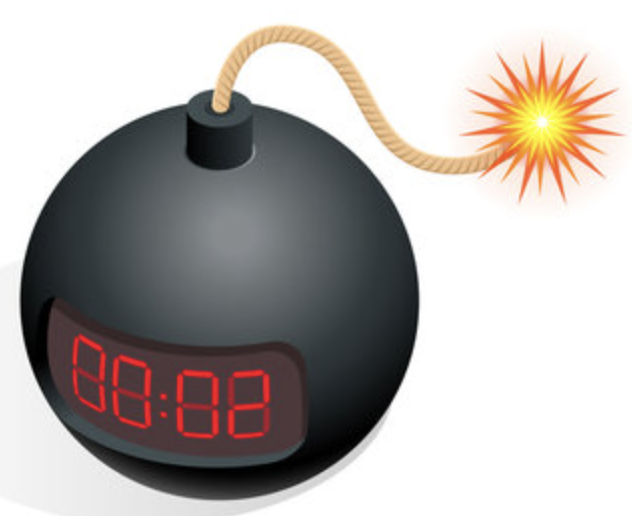
The ticking bomb is more than a plot device—it’s a narrative alchemy that turns tension into gold. It’s the difference between a story that’s remembered and one that’s forgotten. By understanding its psychological roots, designing it with care, and letting its aftermath resonate, you can craft a bomb that doesn’t just tick—it explodes in the reader’s imagination. So the next time you sit down to write, ask yourself: What’s the bomb in your story? And more importantly, what will it reveal when it finally goes off?


Leave a Comment