

Imagine a delicate chrysalis nestled within the whirlwind of modern life—a sanctuary compact enough to fit in the palm of your hand, yet expansive enough to cradle your weary soul. This is the poetic essence of the pocket-sized “restorative space,” a revolutionary concept that is reshaping how we approach wellness, recovery, and the very architecture of mindfulness. As the relentless pace of our world accelerates, craving respite becomes not a luxury but a necessity. Baptized by design innovation and propelled by a deep-seated human need for rejuvenation, these miniature havens are emerging as the quintessential antidotes to overstimulation.
The Pocket-Sized Sanctuary: A Metaphor for Modern Reprieve
The pocket-sized restorative space is akin to an oasis in a desert of digital chaos. Just as a locket holds a treasured keepsake close to the heart, these spaces cradle tranquility within confined dimensions. Compact does not imply constricted; rather, it embraces an ingenious use of space that multiplies psychological and physiological benefits exponentially. They serve as intimate cocoons, where the cacophony of external stimuli dilutes into soothing whispers, and the mind can slip into restorative calm like water flowing into a quiet pond.

By distilling sacred qualities of calm into a minimal footprint, these spaces demonstrate that restoration does not demand vast expanses but can be elegantly achieved through considered design and materiality.
Design Alchemy: Transforming Minimalism into Mindfulness
What makes a pocket-sized restorative space truly prophetic is its marriage of minimalism and multisensory experience. It harnesses the alchemy of light, texture, scent, and sound to transfigure small dimensions into vast emotional landscapes. Interior surfaces breathe with organic materials that invite touch and evoke warmth. Natural light is not just allowed but ritualistically choreographed to dance within the confines, instilling a rhythmic calm reminiscent of dawn breaking softly over a still lake.
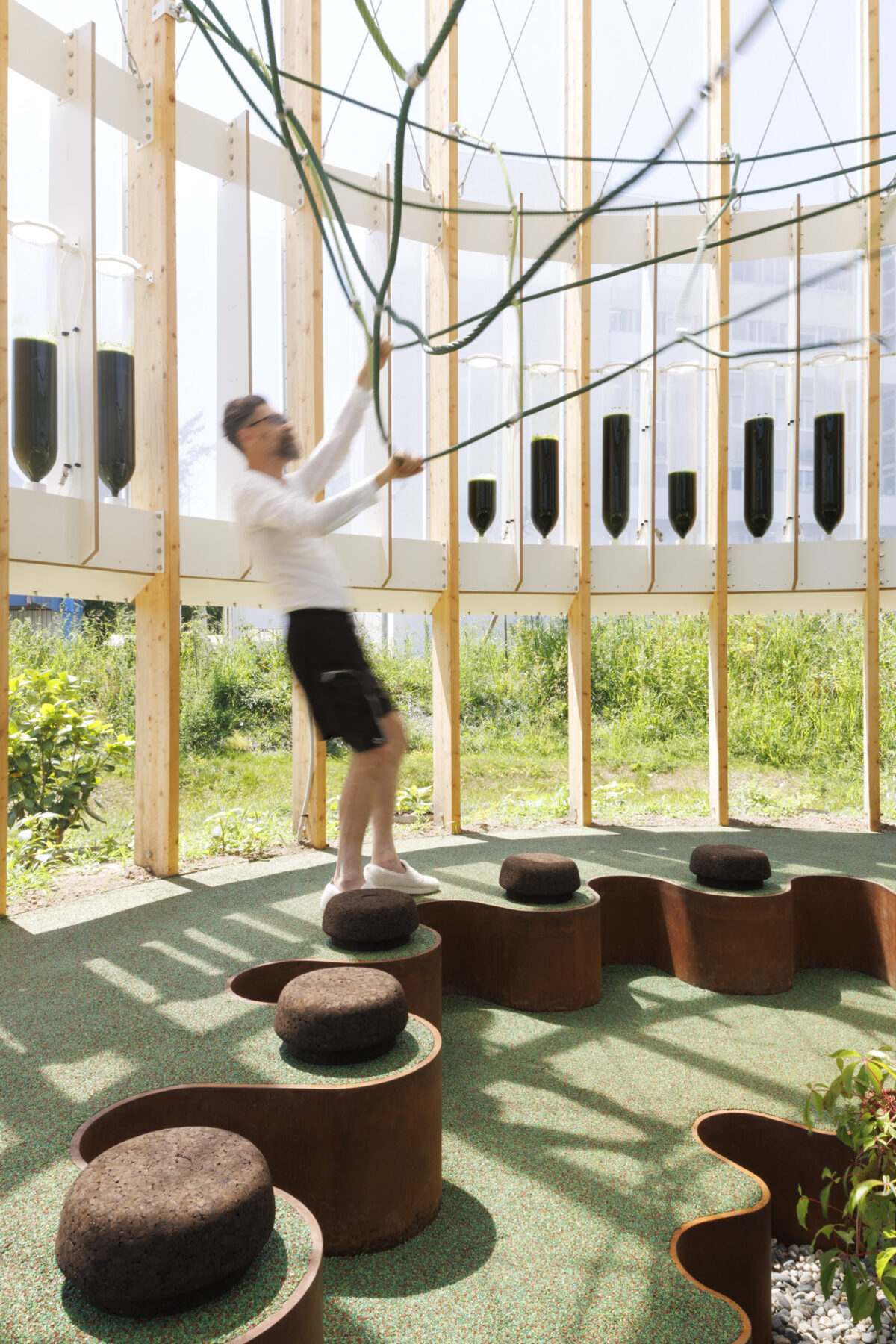
Enveloping users in an embrace of subtle sensory cues, the space navigates the fine line between enclosure and openness. This creates an immersive environment wherein the boundary between self and space melts, fostering mindfulness and introspective clarity.
Science Meets Serenity: Neuroarchitecture and Its Role
Behind the poetic veil of design lies cutting-edge science—neuroarchitecture. This emerging discipline explores how environmental stimuli influence our brain’s neural pathways and emotional well-being. Pocket-sized restorative spaces capitalize on these insights by optimizing spatial geometry, proportions, and materials that biologically activate relaxation responses. Their configurations often include curved walls to reduce psychological tension and incorporate biomorphic forms to resonate with innate human affinity towards nature, known as biophilia.
These deliberate design choices catalyze a cascade of neurochemical responses: cortisol levels plummet, heart rate stabilizes, and the parasympathetic nervous system accelerates the healing process of mind and body alike. Essentially, these spaces do not only soothe—they reprogram stress at the neural level.
Portability: Wellness on Demand
One of the most captivating attributes of the pocket-sized restorative space is its portability. In an era where mobility is king, the concept that wellness can be summoned anywhere elevates these sanctuaries beyond static installations to fluid companions on life’s fast-moving journey. Whether nestled in a bustling office, secreted within a public park, or integrated into an urban apartment, these spaces function as dynamic refuges available on demand.
The portability factor democratizes access to mental health sanctuaries, dissolving barriers traditionally imposed by location or scale. This revolution empowers individuals to assert control over their restorative experience, curating moments of calm as readily as one might sip a cup of tea.
Applications and Implications: From Corporate Wellness to Urban Planning
The multifaceted utility of pocket-sized restorative spaces spans a breathtaking spectrum. Corporations are incorporating them as vital nodes within office ecosystems to mitigate burnout and elevate productivity. Healthcare environments are embracing these cells of calm to enhance patient recovery through non-invasive sensory therapy. Even urban planners envision these sanctuaries as green lungs interspersed amid concrete jungles—quiet punctuations that encourage mental decompression amid chaos.
This paradigm shifts the narrative from wellness as an abstract ideal to wellness as an experiential reality embedded in everyday environments. The ripple effect catalyzes a holistic reimagining of how we design cities, offices, and homes—not merely as functional constructs, but as living facilitators of human flourishing.
The Unique Allure: Intimacy Meets Innovation
At the heart of the pocket-sized restorative space’s growing appeal lies an intimate connection between innovation and human experience. There is a poetic irony in how confinement breeds expansiveness. These micro-environments capture the imagination because they offer not just a physical retreat, but a conceptual revolution: that restoration need not be grandiose but can instead be exquisitely personal.
Each space becomes a narrative vessel, inviting users to script their own journeys of calm and clarity. Its very presence sparks curiosity and wonder—a tactile poem written in wood grains, soft lighting, and ergonomic embrace.
Looking Forward: The Future of Restorative Spaces
As technological advancements weave ever more seamlessly with ecological mindfulness, the evolution of pocket-sized restorative spaces promises to be exhilarating and profound. Emerging materials with dynamic properties—responsive to touch, temperature, and even emotional state—are beginning to redefine what these sanctuaries can offer. Immersive sensory technology may soon complement tactile design, creating adaptive atmospheres tailored to individual needs.
This future beckons a world where every person carries the power to conjure a moment of sanctuary amid life’s storms, a testament to the enduring human quest for equilibrium.
The rise of the pocket-sized restorative space signals more than a design trend—it heralds a renaissance in how we perceive, inhabit, and reclaim our inner worlds. Small in scale yet monumental in impact, these spaces are the quiet architects of renewed vitality, offering a portable harbor where stillness becomes a treasured gift, and restoration a lived reality.


Leave a Comment