

Watercolor blooms are those ethereal, organic splotches that appear when colors dance across wet paper, merging and bleeding into one another with a life of their own. They can feel like magic—unpredictable, vibrant, and full of possibility. But they can also feel like a mistake, a frustrating loss of control that leaves artists questioning their technique. What if these blooms aren’t just accidents, but a secret language of the medium itself? What if they hold the key to unlocking deeper creativity, revealing textures and depths that controlled brushstrokes alone could never achieve?
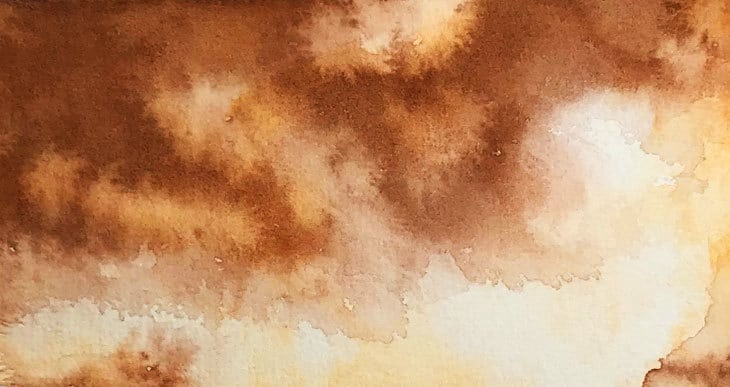
For many watercolorists, blooms are a double-edged sword. They appear when too much water meets pigment, when layers are applied too hastily, or when the paper’s tooth refuses to cooperate. Yet, when harnessed, they transform from flaws into features—soft gradients that mimic dawn skies, organic shapes that resemble distant galaxies, or even the delicate petals of a flower caught in a breeze. The fascination with blooms lies not just in their beauty, but in their ability to blur the line between control and surrender. They remind us that watercolor is not merely a tool for representation, but a medium of alchemy, where intention and chance collide.
The Science Behind the Magic: Why Blooms Happen
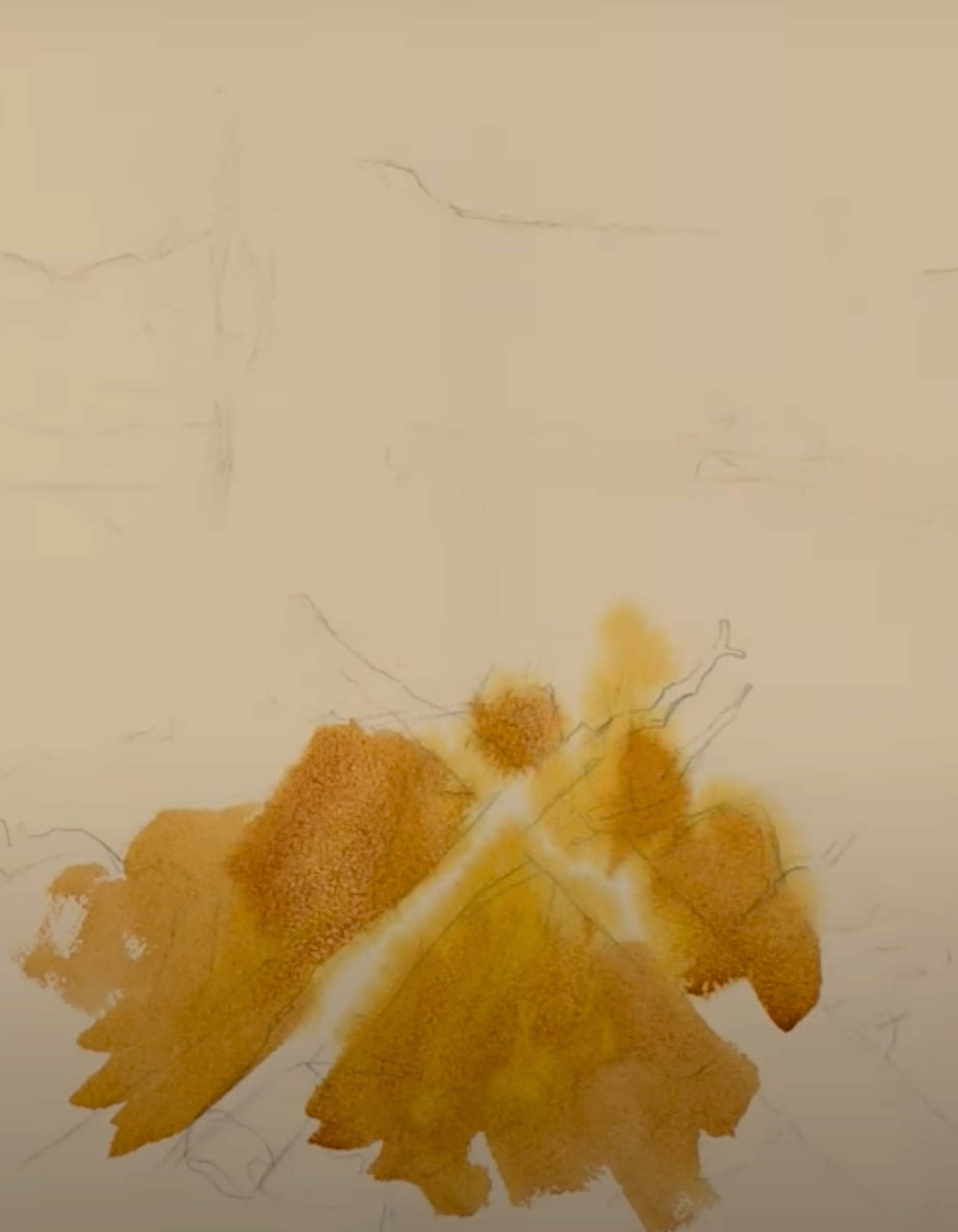
At its core, a watercolor bloom is a capillary action in motion. When water is introduced to dry pigment, it seeks equilibrium, spreading outward in search of balance. If the paper is too wet, the pigment dissolves and migrates, creating those signature feathered edges. The paper’s texture—its sizing, weight, and tooth—plays a crucial role. A rough, absorbent surface encourages blooms to sprawl, while a smoother, hot-pressed paper might resist them, forcing the pigment to stay put. Even the humidity in the air can dictate their behavior; high humidity slows evaporation, allowing blooms to linger and evolve over minutes rather than seconds.
But blooms aren’t just a physical phenomenon; they’re a chemical one. The interaction between pigments and water is influenced by their particle size and composition. Transparent pigments, like quinacridone or phthalo, are more prone to blooming because their fine particles disperse easily. Opaque pigments, like cadmiums, resist migration, clinging stubbornly to their original form. This is why a single brushstroke can yield wildly different results depending on the pigments used. The chemistry of watercolor is a silent choreographer, dictating where the dance of color will lead.
From Frustration to Fascination: Embracing the Uncontrolled
For beginners, blooms can feel like betrayal. A carefully planned composition can dissolve into chaos with a single misplaced drop of water. The instinct is to fight them—to blot, to lift, to rework. Yet, seasoned artists often seek them out, knowing that within their unpredictability lies potential. The trick is to shift perspective. Instead of viewing blooms as errors, consider them as collaborators. They introduce spontaneity, a counterpoint to the precision of controlled washes. They can soften hard edges, create atmospheric depth, or even serve as the foundation for abstract explorations.
One approach is to work with the bloom rather than against it. Start with a wet-on-wet technique, allowing colors to mingle freely. Then, as the paper begins to dry, introduce more pigment selectively, guiding the bloom’s evolution. Alternatively, embrace the bloom as a starting point. Let it dry completely, then layer over it with glazes or dry brushwork to refine the shapes it created. The key is to remain flexible, to treat the medium as a conversation rather than a dictation. Watercolor blooms teach patience—not in forcing control, but in learning to listen.
The Art of Control: Techniques to Shape the Unpredictable
While blooms thrive on spontaneity, they can also be coaxed into submission with a few strategic techniques. The first is paper selection. Rough watercolor paper, with its pronounced texture, encourages blooms to sprawl, while cold-pressed offers a middle ground. Hot-pressed paper, smooth and dense, resists them almost entirely. For artists who want the best of both worlds, experimenting with different papers can reveal how each surface influences the bloom’s behavior.
Another technique is the use of masking fluids or tapes. By reserving areas of the paper, you can contain blooms within specific shapes, turning them into intentional design elements. This is particularly effective for creating organic textures, like the veins of a leaf or the ripples of water. Alternatively, salt or alcohol drops can be introduced to the wet wash, causing the pigment to crystallize or separate in mesmerizing patterns. These interventions don’t eliminate the bloom’s unpredictability; they redirect it, transforming randomness into intentional artistry.
Timing is also critical. The wetness of the paper dictates the bloom’s intensity. A fully saturated sheet will produce dramatic, far-reaching blooms, while a slightly damp surface will yield softer, more controlled edges. Observing the paper’s state—feeling its dampness with the back of your hand, watching how the pigment behaves—becomes an exercise in intuition. The more attuned you are to these nuances, the more you can guide the bloom rather than be guided by it.
Blooms in Composition: Building Depth and Atmosphere
Beyond their technical appeal, watercolor blooms can serve as powerful compositional tools. In landscape painting, they can mimic the soft diffusion of mist over mountains or the hazy glow of a sunrise. In botanical art, they can suggest the delicate unfurling of petals or the translucence of leaves. The key is to use blooms as a way to imply rather than define. They are not meant to be the focal point, but rather the subtle undercurrent that ties a piece together.
Consider a seascape where the horizon line dissolves into a watercolor bloom, blurring the boundary between sky and sea. Or a portrait where the subject’s hair is rendered with loose, blooming washes, evoking movement and life. The bloom’s organic nature makes it ideal for suggesting textures that are difficult to capture with precise brushwork alone. It invites the viewer to fill in the gaps with their imagination, creating a sense of depth and mystery.
To integrate blooms effectively, think in layers. Start with a loose underpainting, allowing blooms to form naturally. Once dry, build up details with more controlled techniques. This approach not only adds dimension but also creates a dialogue between the controlled and the uncontrolled, the deliberate and the accidental. The result is a painting that feels alive, as if it’s still evolving even after the brush is put down.
Common Pitfalls and How to Avoid Them
Even with the best intentions, watercolor blooms can veer into frustration. One of the most common mistakes is overworking the paper. Repeatedly adding water or pigment can muddy the colors, turning a bloom into a murky stain. The solution is to work in stages, allowing each layer to dry completely before adding more. This not only preserves the integrity of the bloom but also gives you time to assess the painting’s progress.
Another pitfall is using too much pigment too soon. Dense, opaque washes resist blooming, leaving you with flat, uninteresting shapes. Instead, start with thin, transparent layers and gradually build up intensity. This allows the blooms to develop naturally, with each layer adding depth rather than obscuring it. Patience is key—watercolor rewards those who take their time.
Finally, be mindful of the paper’s quality. Cheap paper may not hold up to repeated wetting, leading to pilling or warping. Investing in high-quality, acid-free watercolor paper ensures that your blooms remain vibrant and your paper stays intact. The right materials can make the difference between a frustrating experience and a revelatory one.
The Philosophical Appeal: Why We’re Drawn to Blooms
There’s something deeply human about the allure of watercolor blooms. They embody the tension between order and chaos, control and surrender. In a world that often demands precision, they offer a moment of release—a reminder that beauty can emerge from the unplanned. They teach us to embrace imperfection, to find magic in the unexpected. For artists, they are a metaphor for the creative process itself: sometimes you plan, sometimes you let go, and sometimes the medium surprises you.
Blooms also connect us to the natural world. They resemble the way clouds form, how ink spreads in water, or how petals unfurl in spring. They are a visual echo of life’s organic rhythms—unpredictable, yet inherently balanced. In this way, they transcend their technical function, becoming a bridge between art and the world around us. They invite us to see beauty in the fleeting, the fluid, the ever-changing.
Perhaps that’s why we’re so fascinated by them. Watercolor blooms are not just a technique; they are a philosophy. They remind us that art is not about mastery, but about exploration. They encourage us to play, to experiment, to trust the process. And in doing so, they transform what might seem like a mistake into something far more profound: a moment of pure, unfiltered creativity.
So the next time a bloom appears where you didn’t intend it, pause. Observe. Let it guide you. You might just discover that what you thought was a flaw is, in fact, the heart of your painting.


Leave a Comment