

Your wedding band, that gleaming symbol of eternal devotion, is more than just a piece of jewelry—it’s a silent storyteller. But what happens when the very foundation of that story begins to fracture? The ring shank, the sturdy band that cradles your finger, starts to crack like parched earth in a summer drought. One moment, it’s whole; the next, it’s betraying you with a hairline fissure that widens with every twist of your hand. Why does this happen? The answer lies not in the stars, nor in fate’s cruel whim, but in the forgotten art of annealing—a process as old as metalworking itself, yet shrouded in mystery for modern wearers.
Imagine your ring shank as a seasoned traveler, journeying through decades of wear, pressure, and temperature shifts. Over time, the metal grows weary, its crystalline structure fatigued, like a road pockmarked by relentless traffic. Without proper care, it becomes brittle, prone to splitting at the slightest provocation. But annealing? That’s the alchemy of renewal. It’s the gentle reheating of metal to relieve internal stresses, a process that softens the grain structure and restores resilience. Skipping this step is like sending a marathon runner into a race without stretching—eventually, something will tear.
The Hidden Fatigue of Your Ring Shank
Metals, no matter how noble, are not invincible. Your ring shank, whether forged from gold, platinum, or palladium, is subjected to an invisible gauntlet: daily flexing, accidental knocks, temperature fluctuations, and even the subtle corrosive whispers of sweat and lotions. Over years, these forces accumulate, creating microscopic cracks—a phenomenon known as metal fatigue. It’s not a sudden break but a slow unraveling, like a frayed rope under constant tension.
Consider the way a paperclip bends out of shape after repeated use. The same principle applies to your ring shank. Each time you twist it onto your finger or snag it on a sleeve, you’re stressing the metal. Without periodic annealing, those stresses harden into permanent weaknesses. The shank may look pristine from the outside, but beneath the surface, it’s a ticking time bomb. Annealing acts as a reset button, coaxing the metal back to a state of pliability, where it can once again bend without breaking.
The Alchemy of Annealing: More Than Just Heat
Annealing isn’t merely about cranking up the heat and hoping for the best. It’s a delicate dance of temperature, time, and quenching—a process that demands precision. For gold, the sweet spot hovers around 700°C (1,292°F), while platinum requires a gentler touch at 500°C (932°F). Too hot, and you risk warping the metal; too cool, and the stresses remain, lurking like dormant volcanoes.
The magic happens in the cooling phase. Slow, controlled cooling allows the metal’s grains to realign, smoothing out the microscopic fractures that weaken the shank. Quenching in water or oil locks in this newfound harmony, leaving the metal supple and resilient. It’s not just repair; it’s rebirth. Think of it as a phoenix rising from the ashes of fatigue, its feathers—metaphorically speaking—restored to their original luster.
 The Tell-Tale Signs Your Shank Needs Annealing
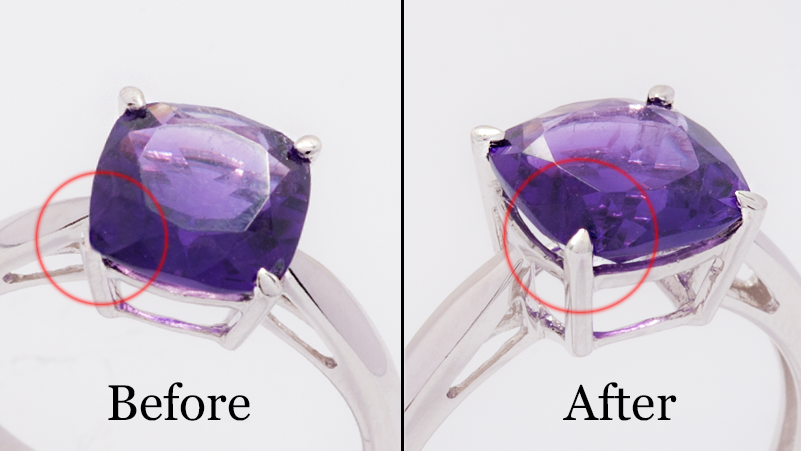
Your ring doesn’t have to scream for help to be in distress. Subtle clues often precede a catastrophic crack. Does your shank feel rough or uneven under your fingertip? Are there tiny, almost imperceptible grooves forming along its edges? Perhaps it’s begun to develop a slight warp, no longer lying flat against your finger. These are not mere cosmetic flaws—they’re distress signals from a metal pushed to its limits.
Another red flag is discoloration. If your once-gleaming band now sports a dull, matte finish, it could indicate internal stress manifesting as surface oxidation. Even the way light reflects off the shank can change, taking on a cloudy, lackluster sheen. Don’t dismiss these signs as inevitable wear. They’re the metal’s way of whispering, “Help me before it’s too late.”
DIY Annealing: A Risky Proposition
In an era where tutorials abound, it’s tempting to grab a torch and attempt annealing at home. After all, how hard can it be? The answer: deceptively hard. Without the right tools—a jeweler’s torch, precise temperature gauges, and quenching solutions—you risk doing more harm than good. Overheating can leave your shank pitted or warped, while improper quenching might leave it brittle as glass.
Even the most seasoned DIYers can fall prey to uneven heating, where one side of the shank softens while the other remains stubbornly rigid. The result? A shank that’s more likely to crack than ever. Annealing is not a weekend project; it’s a craft honed over generations. Leave it to the hands of a master jeweler, where years of experience ensure your ring emerges not just repaired, but rejuvenated.
The Longevity Pact: Annealing as a Ritual
Annealing isn’t a one-time fix—it’s a covenant between you and your ring. Just as you schedule regular dental cleanings or oil changes for your car, your ring deserves its own maintenance ritual. For active lifestyles or daily wear, consider annealing every 5–10 years. For those with sensitive skin or a penchant for heavy lifting, annual check-ups may be wise.
Think of it as a spa day for your ring. The jeweler doesn’t just fix what’s broken; they restore its vitality, ensuring it remains as resilient as the day you first slipped it onto your finger. This isn’t vanity—it’s preservation. A well-annealed shank can outlast its unannealed counterpart by decades, a silent testament to the care invested in it.
 Beyond the Crack: The Ripple Effects of Neglect
Ignoring a cracking shank isn’t just a gamble with your jewelry—it’s a risk to your peace of mind. A sudden break can occur at the most inopportune moment: during a proposal, a vacation, or a cherished family gathering. The emotional toll of losing a ring, especially one laden with sentimental value, can be profound. But the damage isn’t purely sentimental. A fractured shank can snag on clothing, scratch surfaces, or even cause injury if the break is sharp.
Then there’s the financial sting. Replacing a shattered ring is far costlier than preventive annealing. Custom bands, especially those with intricate designs or gemstones, demand significant investment. Why gamble with fate when a simple, proactive step can safeguard your treasure?
The story of your ring shank is one of resilience and renewal. It’s a tale of metal pushed to its limits, then lovingly coaxed back to strength. Annealing is the unsung hero in this narrative—a process that transforms fragility into fortitude, cracks into continuity. Your ring isn’t just an accessory; it’s a companion, a witness to your life’s most precious moments. Treat it with the reverence it deserves, and it will stand by you, unbroken and unyielding, for generations to come.


Leave a Comment