

Picture your sterling silver as a silent storyteller, its gleaming surface whispering tales of elegance and heritage. Yet, like a forgotten manuscript left to the merciless dance of time, oxidation creeps in—tarnish arrives, cloaking its brilliance in a veil of darkness. This transformation isn’t a flaw; it’s a dialogue between metal and air, a quiet testament to silver’s purity and its relentless desire to return to its natural state. To preserve its luminous narrative, we must craft an anti-tarnish sanctuary, a ritual bath that reawakens its spirit without erasing its soul.
Imagine sterling silver as a living entity, breathing in the atmosphere, absorbing whispers of sulfur, humidity, and the faintest traces of human touch. Each molecule of tarnish is not a stain but a layer of memory—silver sulfide forming a delicate patina, a badge of authenticity. To fight tarnish is not to erase history, but to honor it by slowing its march. The secret lies not in harsh abrasives that scar the surface, but in a gentle alchemy: a carefully composed bath that dissolves the veil while respecting the metal’s integrity.
The Alchemy of Tarnish: Why Silver Surrenders to Darkness
Sterling silver, though 92.5% pure, is alloyed with copper—a rebellious partner that accelerates oxidation. When exposed to sulfur compounds in the air, moisture, or even perfumes, the copper surrenders first, forming copper sulfide. This dark patina then spreads, embracing the silver in a slow, inevitable embrace. It’s not a flaw; it’s a natural response, a silent conversation between metal and environment. The tarnish you see is not dirt—it’s silver’s way of saying, “I remember.”
Humidity acts as the catalyst, accelerating this molecular waltz. Cities by the sea, where salt-laden breezes kiss the air, are notorious tarnish accelerators. Even the oils from your skin—those invisible fingerprints of daily life—can initiate the process. But here’s the paradox: tarnish, though unsightly, is a sign of silver’s vitality. It proves the piece has been worn, cherished, lived with. The real art lies in preserving its beauty without erasing its story.
The Anti-Tarnish Bath: A Ritual of Reclamation
Enter the anti-tarnish bath—a sanctuary where silver is cleansed not with force, but with reverence. This isn’t a chemical purge; it’s a spa day for your jewelry, a moment of renewal. The formula is simple, yet profound: a blend of warmth, mild alkalinity, and protective agents that dissolve tarnish without stripping the metal’s essence.
Begin with a basin of warm distilled water—free from minerals that could leave residue. Add a teaspoon of baking soda and a splash of mild dish soap, creating a solution that softens the tarnish’s grip. Submerge your silver, letting it soak for 10 to 15 minutes. The baking soda acts as a gentle abrasive, lifting the dark veil without scratching the surface. For stubborn tarnish, a soft-bristled toothbrush dipped in the solution can coax the shadows away, revealing the silver’s hidden glow.
But the bath is more than cleansing—it’s preservation. After rinsing with cool water and drying thoroughly with a microfiber cloth, apply a thin layer of microcrystalline wax or a specialized silver polish. This creates a barrier, a shield against future oxidation. Think of it as a varnish for your silver, a final touch that locks in brilliance.

The Science of Shine: Why This Formula Works
The magic of the anti-tarnish bath lies in its chemistry. Baking soda, or sodium bicarbonate, raises the pH of the water, creating a mildly alkaline environment that disrupts the formation of silver sulfide. The soap breaks down oils and residues, while the warmth loosens the tarnish’s grip. Unlike commercial cleaners that rely on harsh acids or ammonia, this method respects the metal’s delicate balance.
For those seeking a deeper dive, consider adding a strip of aluminum foil to the bath. When combined with baking soda and warm water, a gentle electrochemical reaction occurs—tarnish transfers from the silver to the foil, leaving your piece untouched. It’s a silent transmutation, a modern twist on an ancient alchemical practice. The foil acts as a sacrificial anode, drawing the sulfur away while the silver remains pristine.
Beyond the Bath: Long-Term Tarnish Defense
An anti-tarnish bath is a momentary respite, but true preservation requires a lifestyle shift. Store your silver in anti-tarnish bags or lined jewelry boxes, environments where sulfur and humidity are kept at bay. Silica gel packets act as silent guardians, absorbing moisture and prolonging the interval between cleanings. For pieces worn daily, consider a weekly wipe-down with a polishing cloth—gentle, effortless, and effective.
Avoid exposing silver to harsh chemicals, chlorine, or even the fumes of cleaning products. These are the unseen assassins of brilliance, accelerating tarnish in ways that are nearly irreversible. When not in use, keep silver elevated, away from direct contact with other metals that could scratch or corrode its surface. Think of it as a delicate ecosystem—each element, from storage to handling, plays a role in its longevity.
The Philosophy of Patina: When Tarnish Becomes Treasure
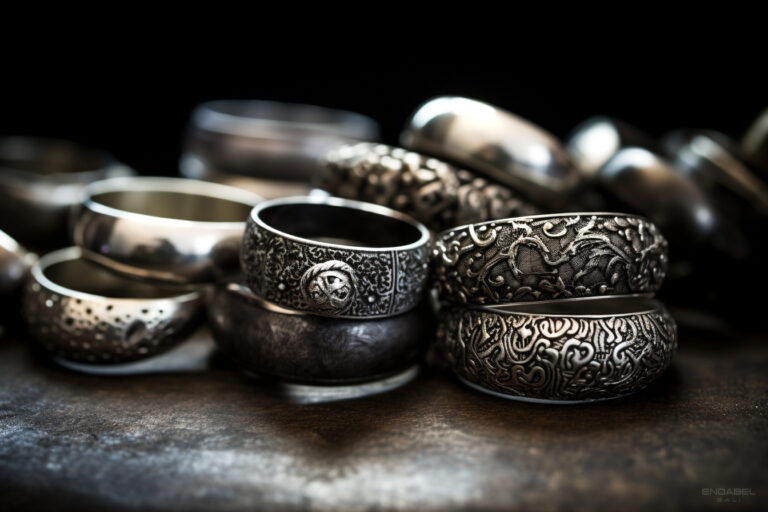
Yet, before you wage war on tarnish, pause and consider its allure. A well-loved silver piece often develops a patina—a soft, muted sheen that tells a story of years gone by. Antique dealers and collectors prize this aged beauty, seeing it as a mark of authenticity. The choice is yours: to restore the mirror-like finish or to embrace the patina as a badge of honor.
If you opt for preservation, the anti-tarnish bath is your ally. If you prefer character, let the tarnish bloom, then protect it with a light wax to prevent further oxidation. Either way, the relationship with your silver is a partnership—one that thrives on care, respect, and an understanding of its nature.
The Final Polish: A Ritual of Reverence
When the bath is complete and the silver gleams once more, take a moment to admire it. Hold it to the light and watch as the light dances across its surface, a reminder of the care you’ve invested. This isn’t just maintenance; it’s a ritual, a quiet act of devotion to the objects that adorn your life.
Sterling silver is more than metal—it’s a companion, a silent witness to your journey. By understanding its language, you transform tarnish from an enemy into a conversation. The anti-tarnish bath is not just a solution; it’s a dialogue, a way to keep the dialogue alive. So the next time your silver darkens, don’t see it as a flaw. See it as an invitation—to cleanse, to protect, and to cherish.
Let your silver tell its story, but help it tell it with clarity. The bath is your voice in that story, a gentle reminder that even the most precious things need a little care to shine their brightest.


Leave a Comment