

There is an almost palpable tension when Yto Barrada engages in what one might call a dialogue with Henri Matisse—not in a direct or literal fashion, but through a nuanced, introspective exploration of form, color, and cultural resonance. This silent conversation unfolds in a minor key, subtle and contemplative, inviting viewers to grapple with undercurrents that ripple beneath the visual surface. It is a dialogue that transcends time and geography, merging Barrada’s postcolonial narrative with Matisse’s modernist fervor, but refracted through the prism of displacement, memory, and identity.
The Common Observation: A Visual Affinity Bridging Centuries
It is often remarked that Barrada’s work shares an aesthetic kinship with Matisse’s vibrant compositions—the sinuous lines, the lush palettes, the elegant interplay between figure and space. This observation, while grounded in visible parallels, barely scratches the surface of what animates Barrada’s artistic inquiry. The immediate appeal of these affinities is undeniable. Matisse’s rich tapestries of color and pattern evoke a joyous vitality, a visual exuberance that enchants and beckons. Barrada’s invocation of these elements may seem like homage. Yet, it is not mere replication; it is an invocation charged with critique and introspection.
The fascination often lies in this beguiling tension: how does one reconcile flamboyant modernist expression with the complexities of the postcolonial condition? Barrada’s creativespaces become the theater for this negotiation, where the motifs echo Matisse but are imbued with layered meanings—questions of migration, fractured histories, and sociopolitical shifts that tinged the Mediterranean region with unease and hope alike.
Deeper Resonances: Postcolonial Memory and Reclaimed Narratives
Delving beneath the surface reveals why this dialogue is conducted in a minor key—there is an underlying melancholy, a historic weight that colors Barrada’s reinterpretation. Matisse’s oeuvre, beloved for its celebration of joie de vivre, largely abstracts the colonial backdrop against which it was produced. Barrada, conversely, weaves memory and history into her work, illuminating the shadows cast by colonialism’s legacies.
Her visual lexicon is a palimpsest, an accumulation of stories layered over time. Within this tapestry, references to Matisse’s motifs become displaced signifiers—windows into the intertwined fates of North Africa and Europe. Barrada’s works recall the movement of people and goods, the ruptures wrought by geopolitical upheavals, and the resilience of cultural identities that persist despite erasures.
It is this intricate web that lends her work its haunting depth. The narrative is not one of simple admiration but of reclamation and reframing—distilling the exuberance of Matisse’s colors through the prism of a geopolitical and emotional topography marked by displacement and resistance.
Visual Dialogues: Medium and Motif as Vehicles of Conversation
Barrada’s oeuvre spans varied media—photography, film, installation, and drawing—each serving as a dialectic stage where Matisse’s visual ethos is subtly transposed. Consider her photography series that captures the quotidian and often overlooked details of Tangier. Here, the vibrant everyday becomes a quiet counterpoint to Matisse’s stylized contours. Through meticulous framing and a palette that nods to the Fauvist tradition, Barrada animates the mundane, reviving the vibrancy of life amid socio-economic precarity.
This enactment of Matisse’s idiom is not static mimicry but a dynamic reinterpretation. Patterns emerge—from textiles to architecture—resonant with the decorative exuberance familiar in Matisse’s work, but these are embedded with new stories of migration, memory, and cultural hybridity. Each medium unfolds another facet of the dialogue, intensifying the sensory encounter and underscoring the complexities beneath the apparently simple colors and forms.
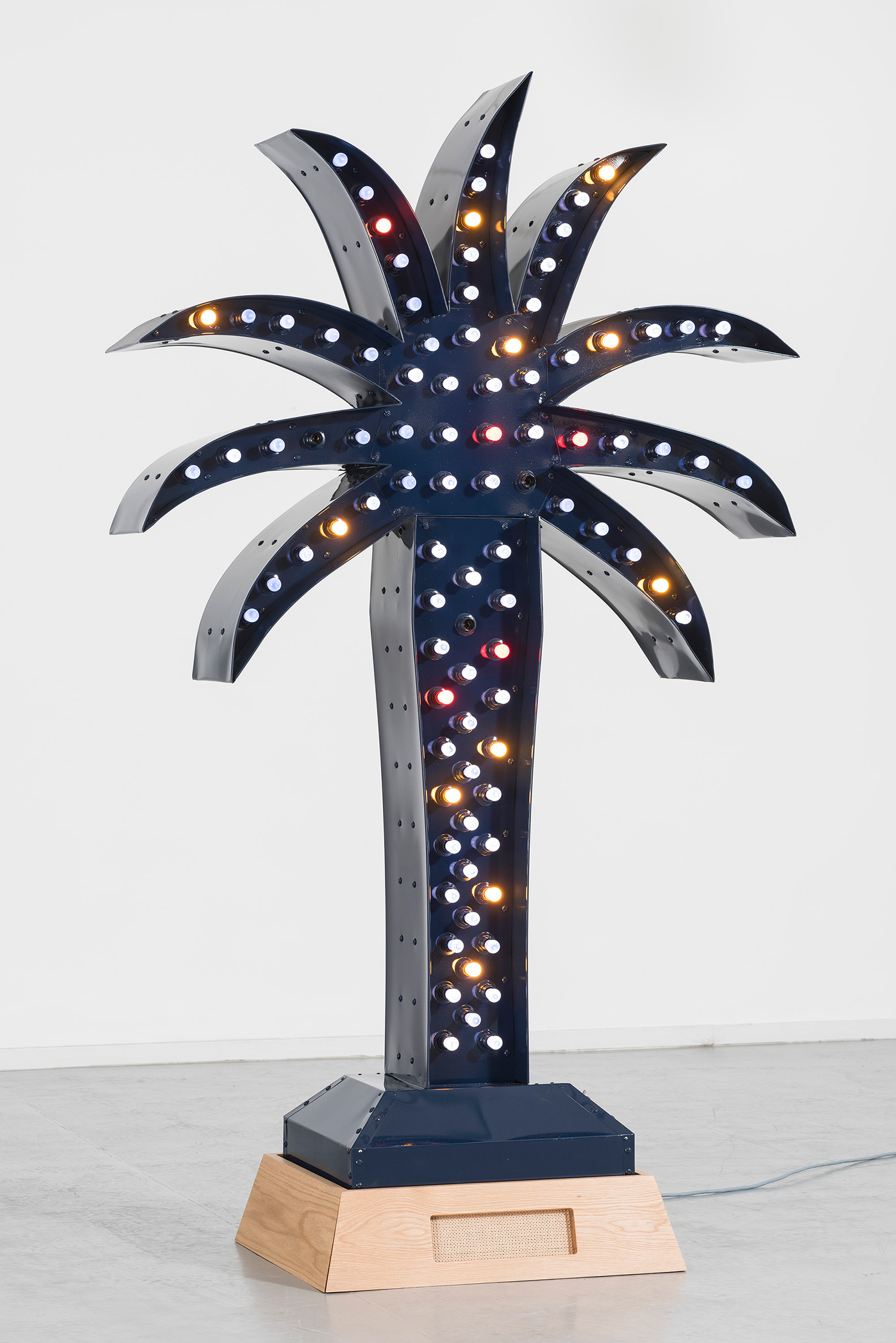
Minor Key Tonality: The Elegy Beneath the Radiance
The metaphor of a “minor key” is particularly apt in discussing this artistic discourse. Where Matisse’s work often sings in major, joyous chords—bursting with optimism and decorative pleasure—Barrada’s response is tuned to a minor, introspective scale, suffused with nuance and sometimes quiet lamentation. It suggests not rejection but a somber reflection—a meditation on what is absent or obscured in the dominant narratives of modernism.
This tonal shift manifests not only in thematic concerns but also in Barrada’s poetic use of light, shadow, and composition. The colors, while evocative of Matisse, are tempered with poignant restraint. The vibrancy is tinged with impermanence; the decorative becomes emblematic of survival amid uncertainty. This subtle melancholy invites a reconsideration of the aesthetic experience, prompting engagement not merely as spectators but as participants in a broader cultural and historical reckoning.
The Enduring Intrigue: Why This Dialogue Captivates
Why does this artistic conversation hold such fascination? Perhaps it is the synthesis of beauty and complexity—the way Barrada’s work challenges viewers to look beyond immediate visual delight to the layered histories and emotional textures that dwell beneath. It is a call to acknowledge ambiguity and tension, to embrace multiplicity rather than singular narratives.
Her dialogue with Matisse becomes a metaphor for the contemporary global condition—where histories collide, identities shift, and diasporic voices seek articulation amidst dominant cultural canons. The visual echoes of a European modernist in the hands of a North African artist open channels for cross-cultural understanding, artistic innovation, and political critique. The fascination lies in these interstices, the spaces between homage and critique, past and present, light and shadow.

In the end, Yto Barrada’s dialogue with Matisse is a profoundly layered artistic endeavor—it is vibrant yet veiled, exuberant yet elegiac, a conversation that plays out delicately in a minor key. It challenges us to rethink the histories that inform aesthetic traditions and to listen attentively to the whispers of memory that color every brushstroke and photograph. The allure of her work lies in this subtlety, inviting us into a space where art becomes a vessel for both celebration and questioning, where color sings but with a thoughtful refrain.


Leave a Comment