

In a world where mass-produced textiles dominate the market, the allure of a hand-spun shawl priced at $400 feels almost rebellious. It’s not just a piece of fabric draped over the shoulders; it’s a narrative woven into every fiber, a testament to patience, skill, and the quiet defiance of a craft that refuses to be commodified. Yet, for many artisans, the real challenge isn’t crafting the shawl—it’s selling it. How does one convince a customer to invest in something so deeply personal, so labor-intensive, and so inherently *alive*? The answer lies not in the shawl itself, but in the story it carries, the hands that shaped it, and the transformation it promises to the wearer.
Imagine walking into a gallery where each piece is not just displayed but *performed*—where the artist doesn’t just explain the technique but invites you to feel the weight of the wool, to trace the uneven stitches that betray the human touch. This is the essence of selling a $400 hand-spun shawl: it’s not a transaction; it’s an initiation. The buyer isn’t just purchasing an object; they’re becoming part of a legacy. And that legacy, my friends, is where the magic—and the sales—begin.
The Allure of the Handmade: Why We Crave Authenticity in a Synthetic World
There’s a quiet ache in modern life, a yearning for something real in a world saturated with plastic and algorithms. We scroll through endless feeds of perfectly curated images, yet our souls hunger for the imperfect, the hand-forged, the *lived-in*. A hand-spun shawl is more than a garment; it’s a rebellion against the disposable. Each strand of wool tells a story—of sheep grazing on sun-warmed hills, of dyes steeped in tradition, of hours spent spinning and knitting by candlelight or the glow of a single lamp. In an era where everything is optimized for speed, the shawl becomes a sanctuary of slowness.
Consider the texture: the slight coarseness of hand-spun wool, the way it molds to the body over time, developing a patina that no factory could replicate. This isn’t fabric; it’s a second skin, a living archive of the maker’s journey. When a customer cradles a $400 shawl in their hands, they’re not just holding wool—they’re holding a piece of the artisan’s life. And that, dear reader, is a story worth paying for.
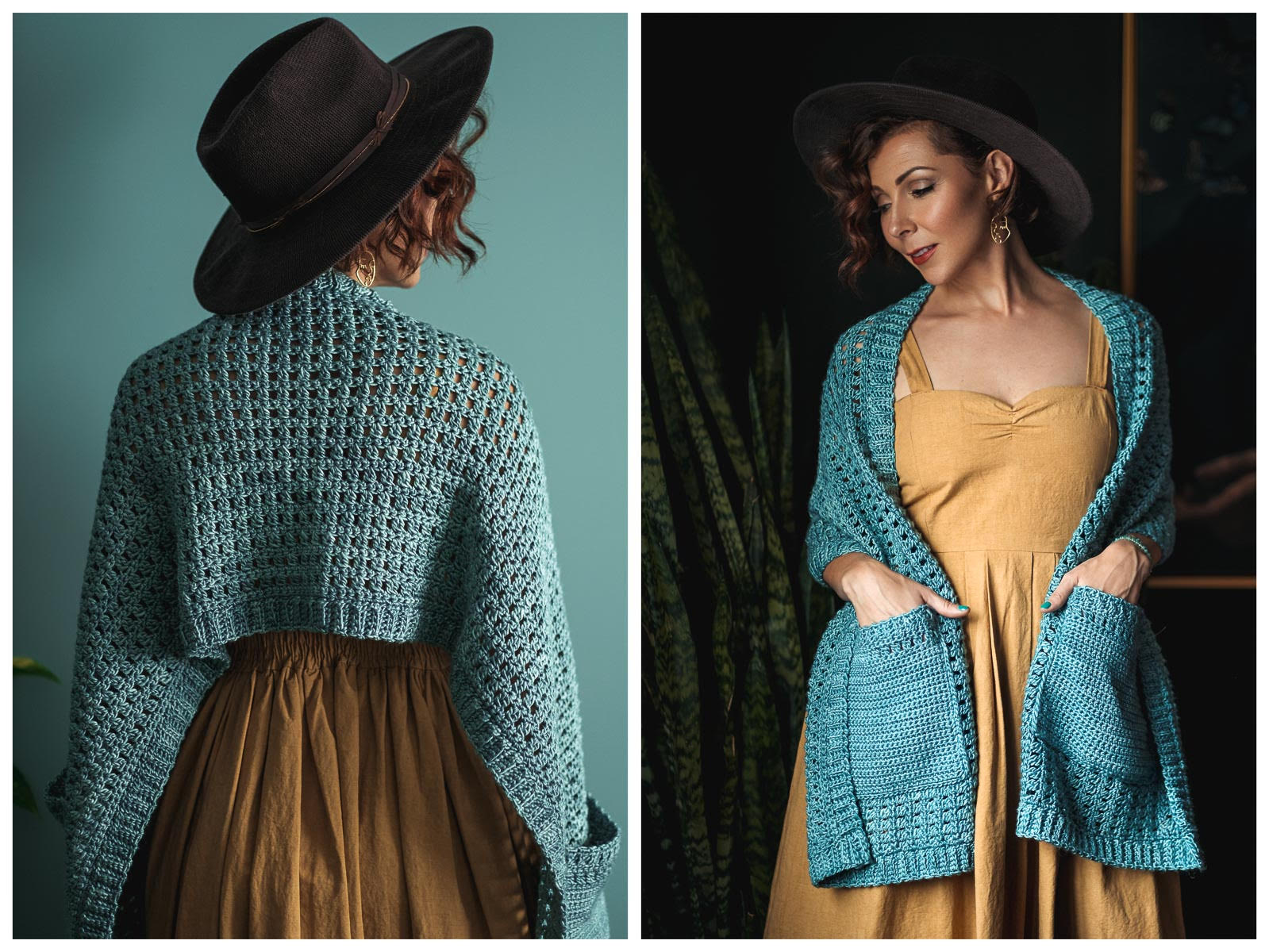
The Price Tag Paradox: Why $400 Feels Like a Steal (And How to Make It Feel That Way)
Let’s address the elephant in the room: $400 is a lot of money. For many, it’s the equivalent of a week’s groceries or a pair of shoes they’ll wear twice. So why does a hand-spun shawl command such a price? Because it’s not just a shawl—it’s a *vow*. A vow of quality, of time, of exclusivity. The artisan isn’t selling wool; they’re selling a guarantee: that this shawl will outlast fast fashion, that it will age like fine wine, that it will become a cherished heirloom passed down through generations.
To sell this, you must reframe the conversation. Instead of focusing on the cost, highlight the *investment*. Compare it to a piece of jewelry—something that appreciates in value, something that carries emotional weight. A $400 shawl isn’t an expense; it’s a legacy. And if the customer hesitates, remind them that the alternative is a $20 shawl from a big-box store that will pill after three washes and end up in a landfill within a year. The math is simple: one shawl lasts a lifetime; the other is a fleeting indulgence.
But here’s the secret: the price tag isn’t just about the materials or the hours spent. It’s about the *experience* of owning something so extraordinary that it stops people in their tracks. When a stranger asks, “Where did you get that?” and the wearer replies, “I bought it from a fiber artist in Vermont,” the shawl becomes a conversation starter, a badge of honor. That’s the real value—the intangible magic that turns a purchase into a story.
The Art of Storytelling: How to Sell a Shawl Without Selling Your Soul
Facts and figures will only get you so far. To truly sell a $400 shawl, you need to sell the *soul* behind it. This is where storytelling becomes your most powerful tool. Every shawl has a narrative: the sheep whose wool was sheared with care, the natural dyes plucked from the earth, the artisan’s hands that worked late into the night to perfect the stitches. Your job is to bring that narrative to life.
Start with the materials. Was the wool sourced from a small farm where the sheep roam freely? Was it dyed with avocado pits or indigo leaves? Share the journey—from pasture to spindle to shawl. Then, delve into the process. How many hours did it take to spin the yarn? How many stitches make up the pattern? What challenges did you overcome to create this piece? The more vivid the story, the more the customer will feel connected to the shawl—and to you.
But storytelling isn’t just about the past; it’s about the future. Paint a picture of what it will be like for the buyer to wear this shawl. Will it drape elegantly over their shoulders at a winter wedding? Will it become their go-to accessory for cozy evenings by the fire? Will it be the piece they reach for when they need to feel grounded and connected to the earth? The shawl isn’t just an object; it’s a companion, a talisman, a piece of their identity. And that, my friends, is a story worth $400.
The Power of the Personal Touch: Why Customers Buy from People, Not Products
In a digital age where transactions are faceless and automated, the personal touch is a rare and precious commodity. When you sell a hand-spawn shawl, you’re not just selling a product—you’re selling a relationship. Customers don’t just want to buy from you; they want to *know* you. They want to feel your passion, your dedication, your quirks. They want to believe that somewhere, in a quiet corner of the world, there’s an artisan who cares as deeply about this shawl as they do.
This is where the magic of storytelling intersects with the power of connection. Share behind-the-scenes glimpses of your workspace. Post photos of the sheep whose wool you use. Write blog posts about the challenges of dyeing with natural pigments. Invite customers into your world, and they’ll invite you into theirs. When a buyer feels like they’re part of your journey, they won’t just purchase a shawl—they’ll become a patron, a supporter, a friend.
And let’s not forget the power of customization. A $400 shawl isn’t just a purchase; it’s an opportunity for collaboration. Offer to spin the yarn in a specific color, or adjust the stitch pattern to suit the customer’s preferences. When you tailor the shawl to their tastes, you’re not just selling a product—you’re creating a one-of-a-kind masterpiece that reflects their personality. And that, dear reader, is a sale that feels less like a transaction and more like a gift.
The Final Stitch: Closing the Sale with Confidence and Grace
Selling a $400 hand-spun shawl isn’t about convincing someone to part with their money. It’s about helping them discover the value of something they didn’t even know they needed. It’s about guiding them through a journey of connection, of craftsmanship, of slow living. And when they finally hold that shawl in their hands, they won’t just see wool—they’ll see a piece of your soul, a fragment of your story, a testament to the beauty of the handmade.
So, how do you close the sale? With confidence. With passion. With the unwavering belief that this shawl is more than a product—it’s a legacy. When a customer hesitates, remind them of the alternatives: the fast fashion that clutters landfills, the mass-produced blankets that lack soul, the empty transactions that leave no mark on the world. Then, gently guide them toward the shawl. Not as a purchase, but as an experience. Not as an expense, but as an investment in beauty, in craftsmanship, in a life well-lived.
And when the sale is complete, don’t let the relationship end there. Follow up with a handwritten note, a photo of the shawl being worn by its new owner, a reminder of the story they’re now a part of. Because the best sales aren’t transactions—they’re beginnings. And the best shawls aren’t just worn; they’re cherished, passed down, and celebrated for generations to come.
So go ahead. Spin the yarn. Weave the story. And sell that shawl with the pride of an artisan who knows its true worth. The world doesn’t just need more products—it needs more magic. And that, dear reader, is exactly what you’re offering.


Leave a Comment