

The ballet flat was once the unchallenged monarch of the dance floor—a silent, unassuming servant to the art of movement. For centuries, it cradled dancers’ feet, allowing them to glide, leap, and spin with grace. But then came the shoe that changed everything: the pointe shoe. Not merely an evolution, but a revolution, it redefined what was possible on stage. It promised pain for beauty, discipline for artistry, and a transformation so radical that it nearly erased the ballet flat from the lexicon of serious dance. Yet, like a phoenix rising from ashes, the ballet flat is back—stronger, more versatile, and reimagined for a new era. This is the story of how one shoe nearly killed another, and why the ballet flat is now staging a triumphant comeback.
The Reign of the Ballet Flat: A Dance Floor’s Silent Hero
For centuries, the ballet flat was the unsung backbone of classical dance. Lightweight, flexible, and unobtrusive, it allowed dancers to articulate their feet with precision, to feel the floor beneath them, and to move with effortless fluidity. Unlike its more cumbersome predecessors—leather slippers with stiff soles or wooden clogs—it was a marvel of simplicity. Dancers could pirouette, assemble, and glissade without the encumbrance of heels or the rigidity of pointe shoes. It was the perfect marriage of form and function, a tool that didn’t just support movement but enhanced it.
The ballet flat was democratic, too. It didn’t discriminate between rank or role. Corps de ballet members, soloists, and even the prima ballerina could slip into the same style, their feet bound not by hierarchy but by craft. It was the shoe of the everyman dancer, the one that whispered, “You are enough.” But in the world of dance, where innovation is currency, even the most beloved tools must eventually face obsolescence—or reinvention.
The Pointe Shoe: A Revolution Wrought in Silk and Suffering
Enter the pointe shoe—a contraption so daring, so physically demanding, that it didn’t just change dance; it redefined what the human body could endure. Born in the early 19th century, it allowed dancers to rise onto the very tips of their toes, defying gravity and creating an illusion of weightlessness. The first pointe shoes were little more than satin slippers stuffed with layers of burlap and hardened glue, a far cry from the sophisticated models of today. Yet, even in their rudimentary form, they were revolutionary.
The pointe shoe promised something extraordinary: the ability to dance on air. But it came at a cost. Blisters, calluses, and stress fractures became badges of honor. Dancers endured months of agony to strengthen their feet, ankles, and calves, all for the sake of a few fleeting moments of glory on stage. The pointe shoe didn’t just change technique; it altered the very psychology of dance. It turned pain into artistry, suffering into spectacle. And in doing so, it relegated the ballet flat to the sidelines, a relic of a gentler, less ambitious era.
For decades, the pointe shoe reigned supreme. It became the gold standard, the symbol of a dancer’s dedication. To wear pointe shoes was to be taken seriously. To dance in flats was to be seen as less committed, less skilled. The ballet flat, once the darling of the dance world, was now the shoe of the amateur, the child, the casual observer. But every revolution has its counter-revolution—and the ballet flat was about to make a stunning return.
The Great Unraveling: When the Ballet Flat Fought Back
The tide began to turn in the late 20th century, as dancers and choreographers started to question the dogma of pointe shoes. Why must pain be the price of beauty? Why must every dancer conform to the same rigid standards? The ballet flat, once dismissed as passé, began to be seen in a new light: as a tool of liberation. Contemporary choreographers like William Forsythe and Pina Bausch embraced the flat, using it to explore raw, unfiltered movement. They wanted dancers to feel the floor, to connect with the earth, to move without the constraints of pointe shoes.
Suddenly, the ballet flat wasn’t just a shoe—it was a statement. It represented a shift in philosophy, a rejection of the idea that artistry required suffering. Dancers who had spent years on pointe found themselves drawn to the freedom of the flat, to the way it allowed them to articulate their feet in ways pointe shoes never could. The ballet flat became a symbol of rebellion, a middle finger to tradition. And as contemporary dance exploded in popularity, so too did the flat’s resurgence.
The Modern Renaissance: Reinventing the Ballet Flat
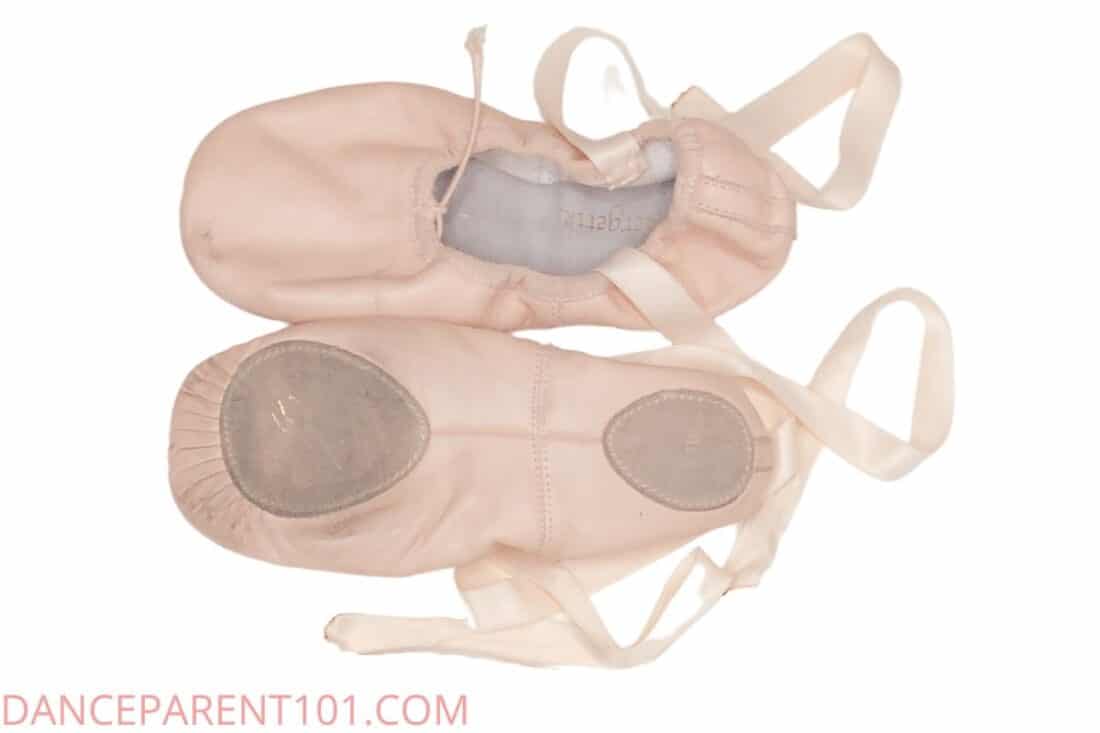
Today, the ballet flat is not just back—it’s thriving. Designers and dancers alike have reimagined it, transforming it from a simple slipper into a high-performance tool. Modern ballet flats are crafted from advanced materials like memory foam, carbon fiber, and antimicrobial fabrics, offering support without sacrificing flexibility. They’re designed to hug the foot, to provide arch support, and even to mimic the feel of pointe shoes for those transitioning between styles.
But the reinvention goes beyond technology. The ballet flat has become a canvas for creativity. Brands like Bloch and Capezio now offer flats in a dizzying array of colors, textures, and even customizable fits. Dancers can choose flats that match their skin tone, their costume, or their mood. The flat is no longer a one-size-fits-all solution; it’s a statement of individuality. And in a world where dance is increasingly diverse, that’s a game-changer.
The Psychology of the Flat: Why Dancers Are Falling in Love All Over Again
There’s something deeply psychological about the ballet flat’s resurgence. In a world where dancers are increasingly vocal about mental health, injury prevention, and sustainable training, the flat offers a breath of fresh air. It’s a reminder that dance doesn’t have to be synonymous with pain. It can be joyful, exploratory, and even therapeutic. The flat allows dancers to connect with their bodies in a way that pointe shoes often don’t. It encourages a sense of play, of experimentation, of pure movement for movement’s sake.
For many dancers, the flat is also a gateway to other styles. It’s the shoe they wear in class, in rehearsal, in everyday life. It’s the shoe that lets them dance when their feet are too sore for pointe, when they’re recovering from an injury, or when they simply want to move without the pressure of performance. The flat is versatile, adaptable, and unpretentious. It doesn’t demand perfection; it invites exploration.
The Future of Dance: A World Where Both Shoes Coexist
So, what does the future hold? A world where pointe shoes and ballet flats exist side by side, each serving a unique purpose? It’s not just possible—it’s already happening. Companies like New York City Ballet and The Royal Ballet incorporate flats into their contemporary works, blending classical technique with modern sensibilities. Choreographers are experimenting with hybrid styles, where dancers transition seamlessly between pointe and flat, creating a dynamic, ever-evolving aesthetic.
The ballet flat’s comeback isn’t just about nostalgia or rebellion. It’s about evolution. It’s about recognizing that dance is not a monolith, that there’s room for both pain and pleasure, for both tradition and innovation. The pointe shoe will always have its place—it’s a marvel of engineering and artistry. But the ballet flat? It’s back, and it’s here to stay. And that’s a revolution worth celebrating.
The shoe that nearly killed the ballet flat is now its greatest ally. Together, they’re redefining what it means to dance. And the stage has never looked more alive.


Leave a Comment